15 Inspiring Ideas for Creative Mood Boards
You know that feeling when you have a hundred ideas bouncing around your brain but none of them want to land on paper? That is exactly why mood boards exist. They take the messy thunderstorm inside your head and turn it into a calm, beautiful snapshot of what you truly want to make. Whether you are designing a bedroom, planning a birthday party, or dreaming up a new logo, a mood board helps you see everything in one place before you spend a single dollar or lift a single hammer.
But here is the problem most people run into. They think a mood board has to look like a fancy museum exhibit. They worry about using the “right” images or the “perfect” colors. That pressure kills creativity faster than a forgotten cup of coffee. So let me give you fifteen fresh, weird, and wonderful ways to build mood boards that actually feel like you. No art degree required. No fancy software needed. Just you, your ideas, and a little bit of courage to try something different.
Why Mood Boards Work Even When You Feel Stuck
Before we jump into the fifteen ideas, let me explain why this tool is so powerful. Your brain loves patterns. When you see a bunch of images, textures, and words side by side, your mind starts connecting dots you never noticed before. That random photo of a rusty gate might suddenly pair perfectly with a swatch of velvet fabric. A song lyric you scribbled on a napkin could become the entire color palette for your project.
Mood boards also stop you from wasting time. Have you ever started a project, gotten halfway through, and realized you hate every choice you made? That happens when you skip the planning step. A mood board acts like a cheap test drive. You get to try out your ideas for free, without buying materials or committing to bad decisions. And when you finally start making real things, you will move faster because the path is already lit.
Now let me walk you through fifteen specific ways to build mood boards that are anything but boring.
1. The Junk Drawer Mood Board

Open your kitchen junk drawer. The one with bent paperclips, old keys, dried‑out markers, and that weird battery nobody remembers buying. Pull out five to seven items that catch your eye. Arrange them on a piece of cardboard or a table. Take a photo. That photo becomes your mood board.
Why does this work? Because your junk drawer tells a true story about your life. The scratched red plastic spoon might remind you of camping trips. The faded blue ribbon could take you back to a school award ceremony. Those small, real objects carry more emotion than any perfect stock photo you find online. Use this board when you want a project to feel honest and lived‑in, not polished and fake.
2. The Grocery Run Mood Board

Next time you go to the grocery store, buy five items based only on how they look. A bright orange bell pepper. A bag of deep purple grapes. A silver can of sardines with a cool label. A box of golden crackers. A jar of dark green pickles. Bring them home and arrange them on a white plate. Snap a picture.
This board works wonders for color palettes. The orange of the bell pepper, the purple of the grapes, and the silver of the can create a real combination you would never think to make sitting at a computer. Plus, you get to eat your materials afterward. That makes this the most delicious mood board on the list.
3. The One‑Minute Scrolling Board
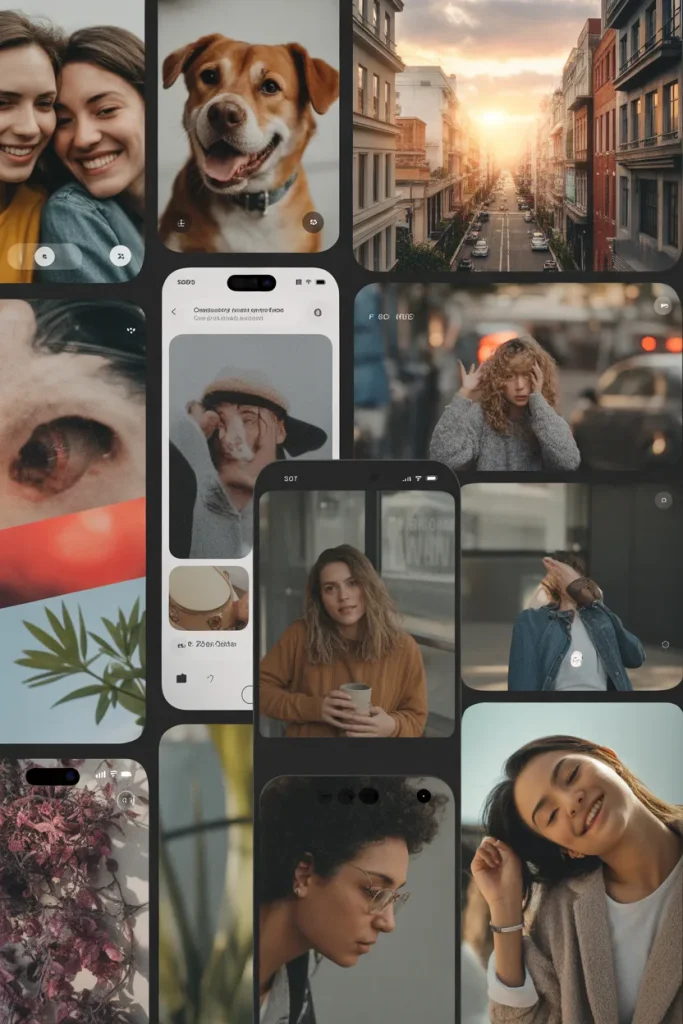
Open your phone’s photo gallery. Scroll fast for exactly sixty seconds. Screenshot every image that makes you pause, even for a heartbeat. Do not overthink. Do not delete anything. At the end of the minute, you will have eight to twelve screenshots. Put them side by side in any free collage app.
The magic here is that your phone already holds clues about what you love. That screenshot of a friend’s dog, the picture of a sunset you took last summer, the meme you saved three weeks ago—they all whisper something about your taste. This board is perfect for people who say “I don’t know what I like.” Yes you do. It is already in your camera roll.
4. The Fabric Swatch Memory Board

Go to a fabric store with no plan. Find the remnant bin where they sell tiny leftover pieces for cheap. Touch everything. If a fabric feels good in your hand, buy a small square. Try to get five different textures: something fuzzy, something smooth, something bumpy, something silky, something rough. Lay them on a table in natural light.
Textures matter more than most people realize. A mood board made only of flat images misses half the story. When you run your fingers over a piece of wool flannel, you feel warmth and weight. A scrap of linen feels crisp and airy. These physical sensations will guide your choices when you start making real things, like sewing a pillow or choosing upholstery for a chair.
5. The Song Lyric Collage

Pick one song that makes you feel something strong. Not a whole album, just one song. Write down five to seven lyrics that jump out at you. Then find images that match those words. If the lyric says “neon lights on a rainy street,” you search for exactly that. If the lyric says “broken telephone,” you find a picture of an old rotary phone with a crack in it.
This board works because music already has mood baked into it. The lyrics give you a clear map. And when you finish, you will have a board that not only looks good but also hums with the energy of that song. Show it to a friend and play the track in the background. Watch them nod along without you saying a word.
6. The Opposite Day Board

Think of a project you are working on. Now imagine the complete opposite of what you want. If you are designing a calm bedroom, build a board full of chaotic, loud, messy images. If you are planning a fancy dinner party, build a board with fast food wrappers and paper plates. Go all the way into the opposite world.
After you finish, look at the board and ask yourself one question: what is one small thing from this opposite board that I actually like? You might discover that your calm bedroom actually needs one tiny dose of chaos, like a single red throw pillow or a weird lamp. The opposite board helps you see what is missing because it shows you the edges of your own taste.
7. The Kid Art Tribute Board

Find a drawing you made when you were a kid. Maybe your parents saved it, or you have an old notebook in a box. Look at how you used color back then. Did you make the sky purple? Did you give the dog three legs? Did you draw flowers bigger than the house? Copy that fearless energy into a new board.
Kids do not care about rules. They pick bright pink for grass and orange for water because it feels right. As we grow up, we learn to play it safe. This board gives you permission to break those silly rules. Use a mismatched color scheme. Cut images out at weird angles. Glue things down crooked. The result will surprise you with its charm.
8. The Single Word Rabbit Hole
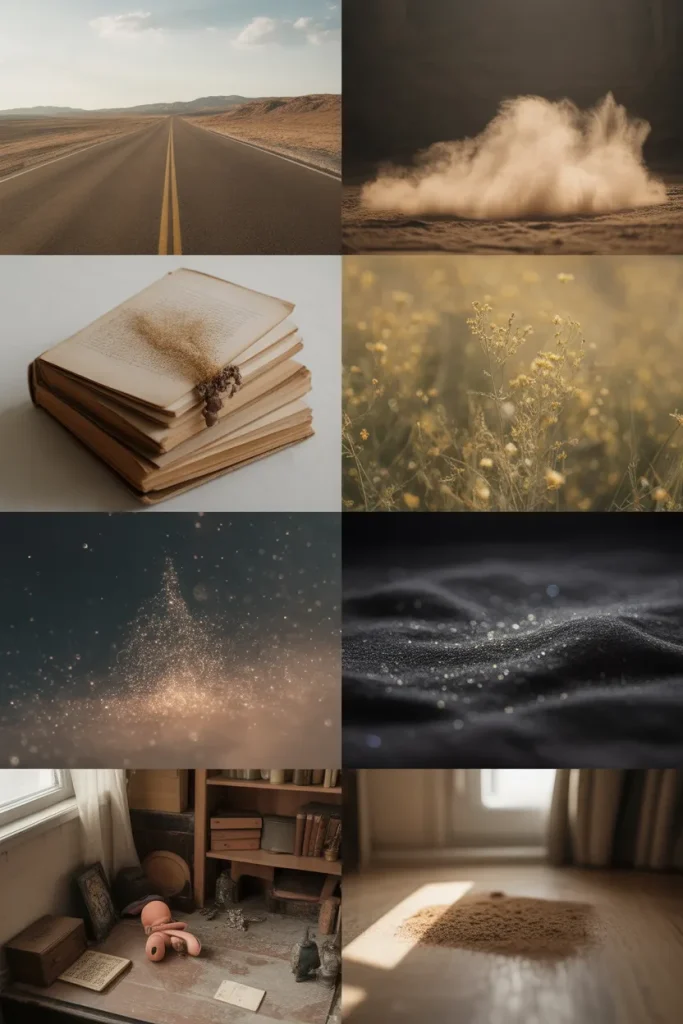
Pick one ordinary word. Not a fancy word like “ethereal.” Pick something simple like “dust,” “zipper,” “mud,” or “bubble.” Type that word into Google Images, Pinterest, or any free photo site. Scroll down for five minutes and save anything that grabs you. You will be amazed at how many different ways the world interprets one small word.
A word like “dust” gives you desert highways, old books on a shelf, pollen on a flower, sparkling glitter, and forgotten toys in an attic. All of those images belong together because they share the same seed. This board is perfect when you feel stuck because the word acts like a magnet, pulling scattered ideas into one pile without you having to force anything.
9. The Trash Magic Board
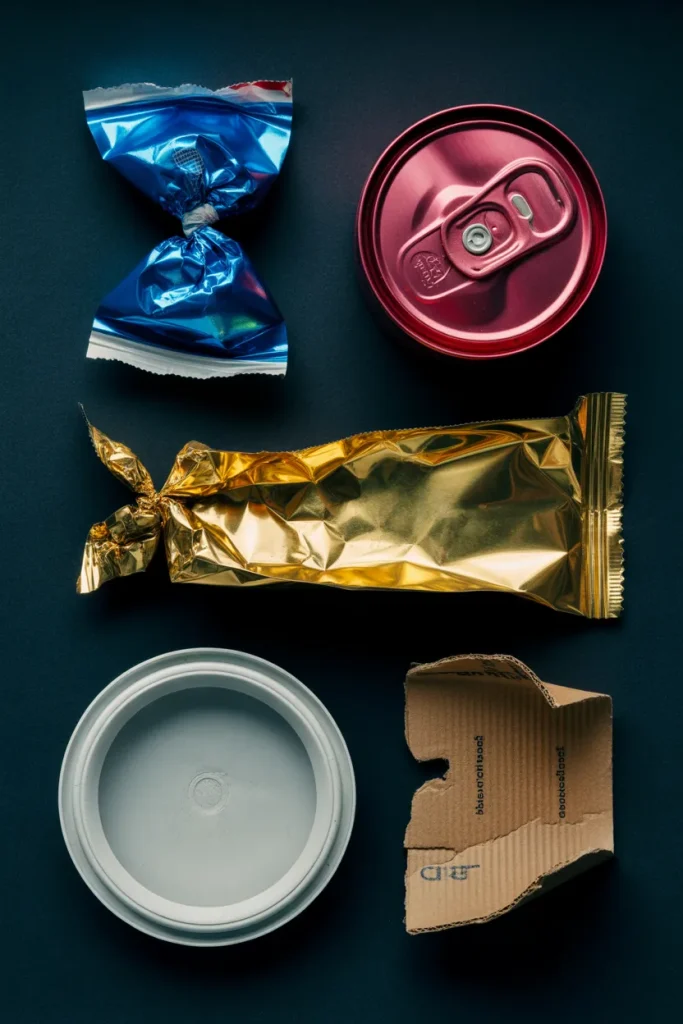
Take a walk around your neighborhood with a small bag. Pick up five pieces of trash that have interesting colors or shapes. A crumpled blue candy wrapper. A flattened red soda can. A torn piece of gold foil from a chip bag. A white plastic lid. A brown cardboard corner. Bring them home, clean them off, and arrange them on a dark background.
This sounds strange, but designers do this all the time. Trash has unpredictable colors and textures that you would never find in a store. The dented soda can catches light in a cool way. The crinkled candy wrapper makes a sound when you touch it. Use this board when you want your project to feel raw, real, and a little bit rebellious.
10. The Magazine Hack Board

Grab three old magazines that have nothing to do with your project. A fishing magazine, a wedding magazine, and a car magazine, for example. Tear out ten pages without looking at the whole picture. Just rip out random chunks. Then piece those torn scraps together like a puzzle. The corner of a fishing boat next to a bridesmaid’s dress next to a tire tread.
Forcing unrelated things together creates new meaning. The shiny white of the wedding dress and the rough black of the tire tread might become your new favorite high‑contrast color pair. The boat’s blue stripe and the dress’s lace pattern could inspire a fabric design. You cannot plan this kind of magic. You just have to let the accident happen.
11. The Weather Report Board

Check the weather forecast for tomorrow. Not today, tomorrow. Whatever the weather will be, build a board that matches it. If rain is coming, collect images of wet sidewalks, dripping leaves, gray umbrellas, and puddle reflections. If the sun will blaze, find bright yellow walls, cracked dry earth, sunglasses, and lemonade stands.
Why tomorrow? Because it forces you to work with real, unpredictable conditions instead of your dream scenario. This board teaches you to find beauty in what actually exists, not what you wish existed. And when tomorrow comes, you can hold your board up to the window and see how well you captured the real world.
12. The Pet Personality Board
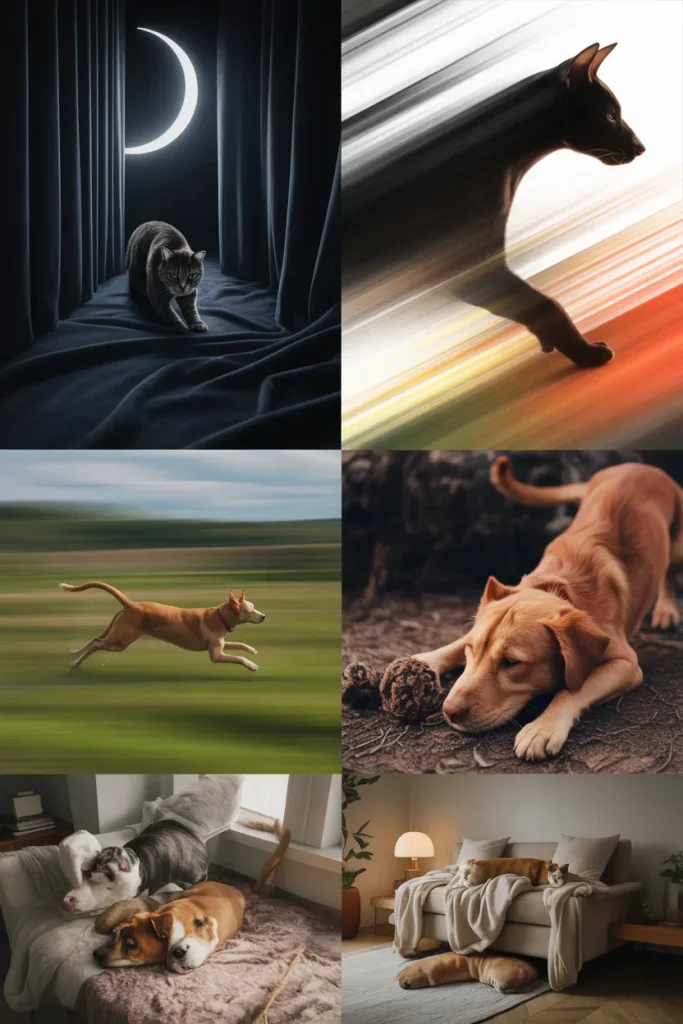
Watch your pet for ten minutes. Do not interact, just watch. Write down three words that describe how they move and act. Does your cat slink, pounce, and nap? Does your dog bound, sniff, and flop? Then find images that match those action words. A slinking cat might lead you to photos of velvet ropes, dark hallways, and crescent moons.
Pets have clear personalities without any pretense. They do not try to be cool or trendy. They just are. Borrow that honesty for your board. If your pet is lazy and round, lean into soft, pillow‑like shapes. If your pet is jumpy and fast, use diagonal lines and bright flashes. This board works for any project that needs a jolt of genuine character.
13. The Crayon Box Board
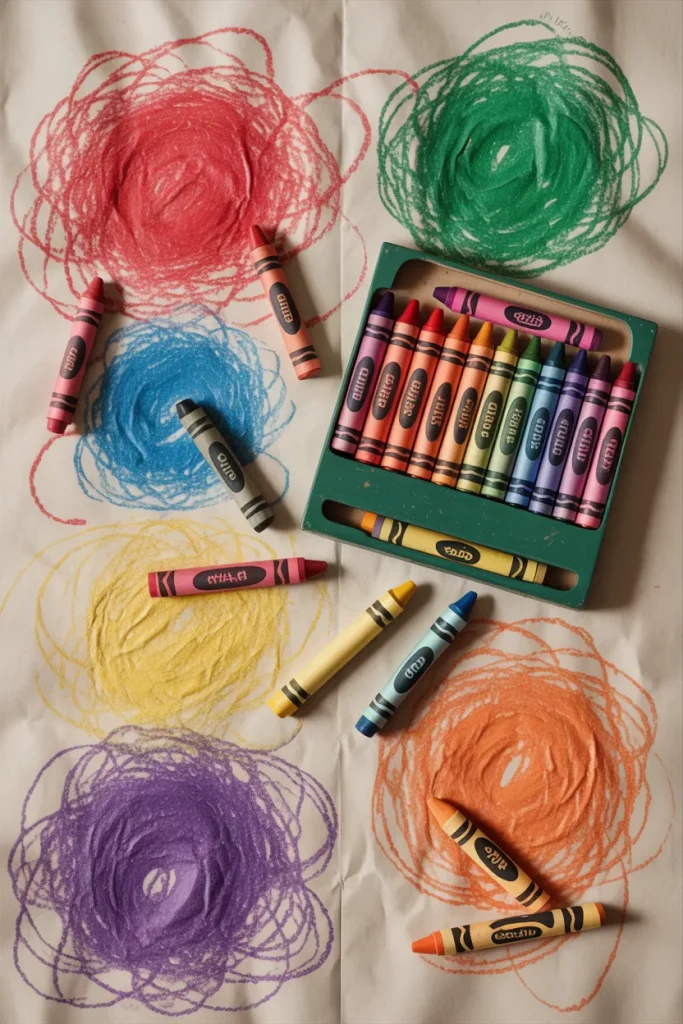
Buy the smallest, cheapest box of crayons you can find. The eight‑pack from a dollar store is perfect. Break every crayon in half. Scribble each color on a piece of paper, but here is the rule: you cannot scribble in a straight line. Scribble in circles, zigzags, or figure eights. Then take a photo of the scribbles next to the broken crayon pieces.
This board strips color down to its most basic, playful form. No color theory. No “this blue is too cool for that red.” Just a kid with a broken crayon making a mess. Use this as a warm‑up exercise before you make a serious board. It loosens up your brain and reminds you that color is supposed to be fun, not stressful.
14. The Scent Memory Board
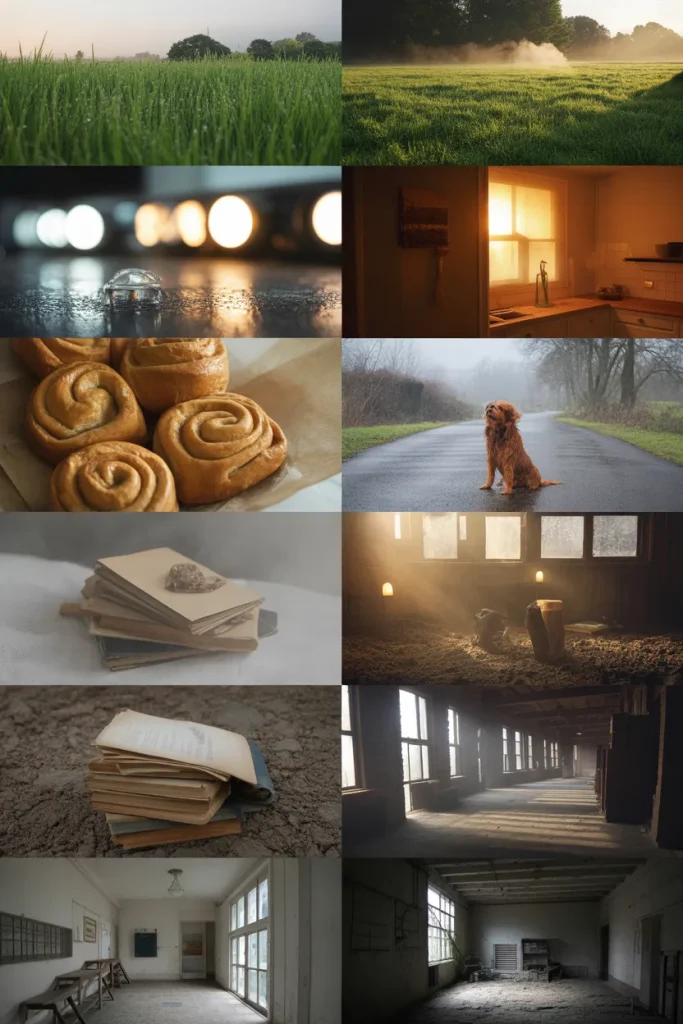
Think of a smell that takes you somewhere else. Fresh cut grass. Gasoline. Cinnamon rolls baking. Wet dog. Old library books. That specific smell from your grandparent’s basement. Find images that match the feeling of that smell, not the literal source. For wet dog, you might use images of foggy windows, wet towels, and muddy footprints.
Smell is the strongest trigger for memory, but most mood boards ignore it completely. By starting with a scent, you tap into a deeper layer of emotion. This board is perfect for storytelling projects like writing a script, designing a restaurant, or planning a party theme. Guests cannot smell your board, but they will feel the mood you created because you built it from real memories.
15. The Messy Desk Time Capsule
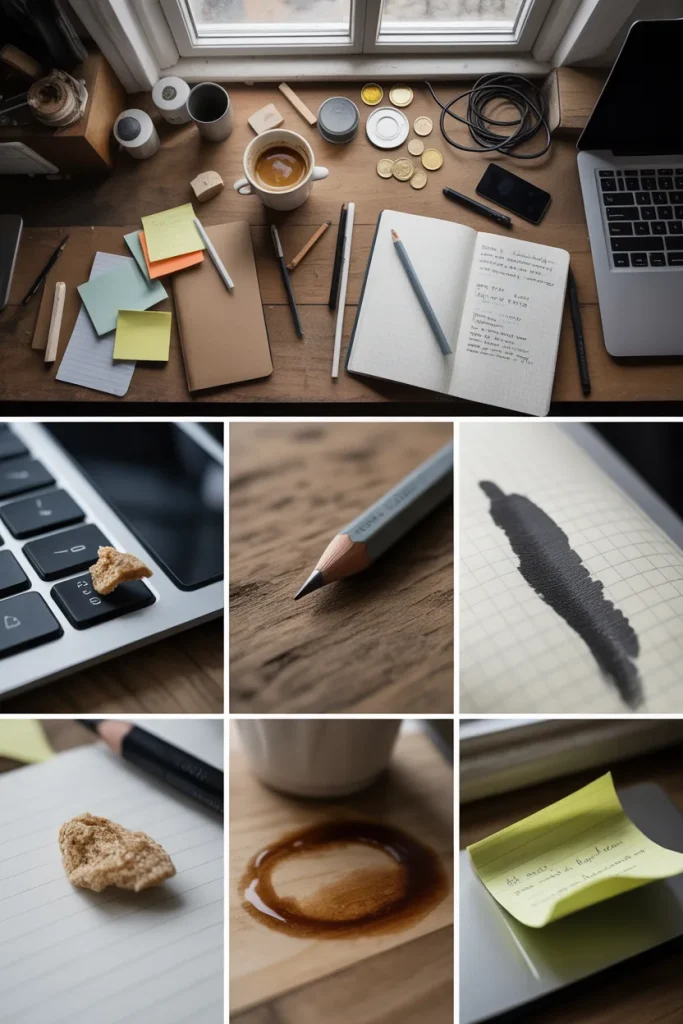
Do not clean your desk. Do not organize anything. Take one wide photo of your desk exactly as it is right now. Sticky notes, coffee rings, loose change, tangled cords, everything. Then zoom in on five small details and take close‑up photos. The crumb on the keyboard. The dent in the pencil. The smudge on the monitor. Arrange these six images together.
This board celebrates the truth that creativity is never tidy. The best ideas come out of piles of half‑finished thoughts and cold coffee. When you look at this board later, you will remember exactly where you were when an idea hit you. Use it as a reminder that you do not need a perfect studio or a clean white wall to make something wonderful.
How to Take Your Mood Board from Fun to Useful
You have fifteen ideas now. That is plenty to get started. But let me give you three quick tips to turn your mood board into something that actually helps you build real stuff.
First, always add three words to your board. After you finish arranging images and objects, write down three adjectives that describe the whole board. Do not edit yourself. Just write the first three words that pop into your head. Those three words become your North Star. Every time you make a decision later, ask yourself, “Does this choice match my three words?” If yes, keep going. If no, stop and try something else.
Second, limit your time. A mood board is not a masterpiece. It is a tool. Give yourself forty‑five minutes max for any board on this list. Set a timer. When the buzzer goes off, you are done, even if the board feels messy. Perfect is the enemy of done. A messy finished board beats a beautiful half‑finished board every single time.
Third, share it with one person. Not the whole internet, just one friend who will be honest with you. Ask them one simple question: “What do you feel when you look at this?” Do not ask if they like it. Ask what they feel. Their answer will tell you if your board is actually sending the message you intended or if you accidentally made a board about loneliness when you wanted cozy.
Putting It All Together in the Real World
Let me tell you a quick story. A few years ago, I wanted to redesign my small home office. I felt stuck because I had looked at too many fancy photos online of perfect white desks and matching bookshelves. Nothing felt like me. Then I tried the Junk Drawer Mood Board from this list. I dumped out my desk drawer and found an old concert ticket, a bent fork, a blue marble, and a receipt from a taco truck. I took a photo of those four things next to each other.
That photo showed me exactly what I wanted. The concert ticket meant I wanted my office to feel like backstage at a show, a little raw and exciting. The bent fork meant I did not want anything too precious or fragile. The blue marble brought in a single pop of deep color. The taco truck receipt reminded me that fun is more important than fancy. I used that board to buy a scratched metal desk, paint one wall deep blue, and hang string lights instead of a lamp. That office became my favorite room in the house, all because of a junk drawer.
That is what mood boards can do for you too. They are not about being artistic. They are about being honest about what you actually want.
A Final Word Before You Start
Do not wait until you feel ready. Do not wait until you find the perfect image or the right app. Pick one idea from this list, any idea, and do it in the next thirty minutes. Use your phone camera. Use scissors and old magazines. Use crayons and a paper bag. The only bad mood board is the one you never make.
And remember, you can always change your mind. A mood board is not a contract. It is a conversation with yourself. You can make ten boards for the same project. You can throw away a board halfway through and start over. You can combine two ideas from this list into something totally new. The rules are yours to bend.
Conclusion
Creative mood boards do not need to be complicated, expensive, or perfect. They just need to be true to what you love. The fifteen ideas we walked through together give you permission to play with junk drawer treasures, grocery store colors, pet personalities, and even broken crayons. Each method strips away the pressure to be impressive and replaces it with the simple joy of discovery.
Start small. Pick the idea that made you smile when you read it. Gather your materials, set your timer, and make a mess. Then step back and look at what you created. Somewhere in that mess of images, textures, and colors, you will find a clear path forward. And that path will lead you to work that feels like you, not like a copy of someone else.
Now go make something. Your first board is waiting.