
15 Cheap DIY Greenhouse Ideas That Actually Work
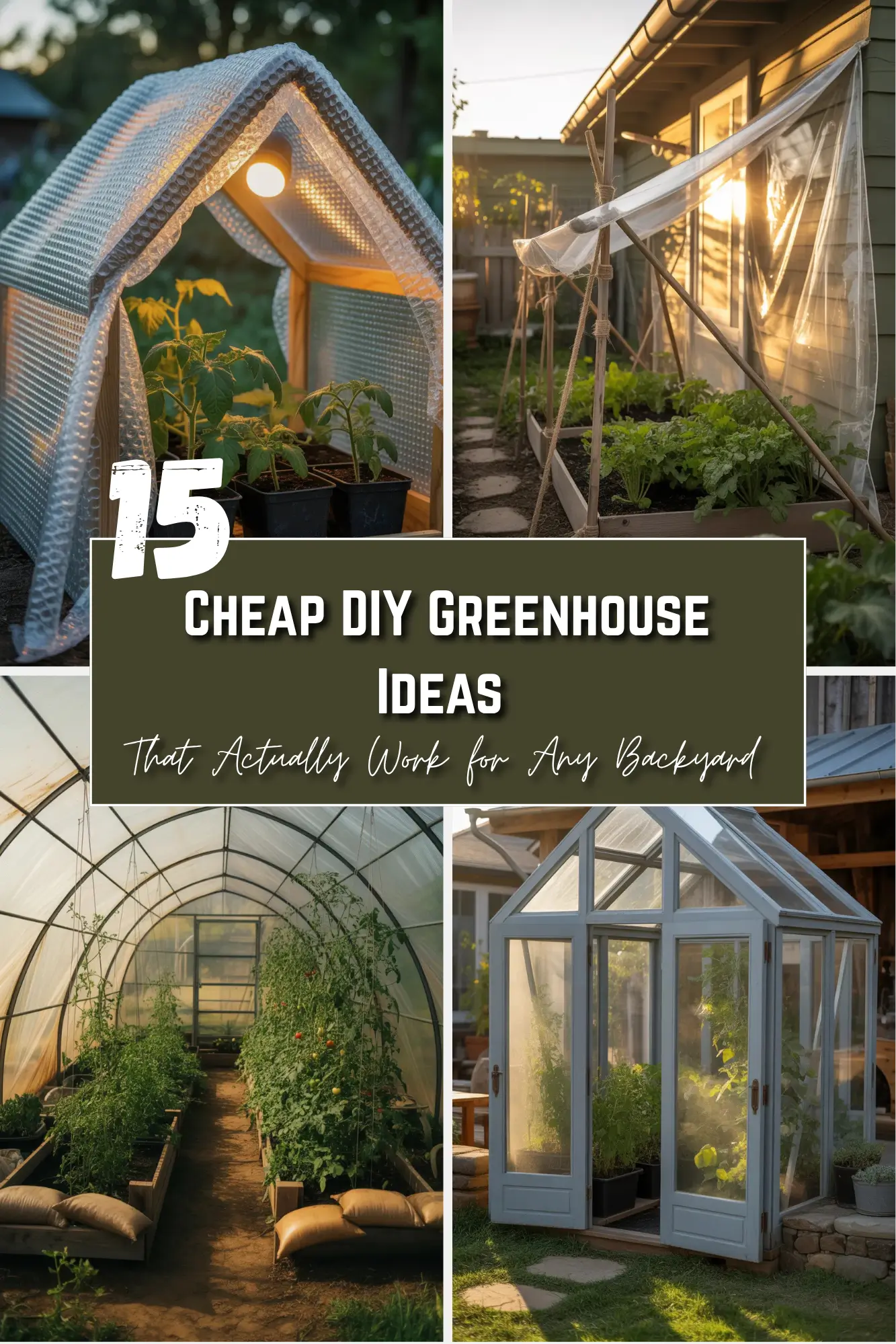
You don’t need a thousand dollars or a construction crew to build a greenhouse. I promise.
I’ve seen people grow tomatoes in January using old shower curtains and scrap wood. I’ve watched a grandma start fifty pepper plants inside a plastic bin. The secret isn’t money. It’s knowing a few simple tricks.
In this article, I’ll walk you through fifteen cheap DIY greenhouse ideas. Each one costs less than a fancy dinner out. Most use stuff you probably already have in your garage or basement. By the time you finish reading, you’ll be ready to build your own growing space this weekend.
Let’s dive in.
Why Bother With a Cheap Greenhouse?
Here’s the truth. Store‑bought greenhouses are expensive. The small ones start around five hundred dollars. The big ones can cost thousands. For most of us, that’s just too much money for a hobby.
But a greenhouse changes everything. It lets you start seeds earlier in spring. It keeps your plants safe from freak frosts. It stops bugs and heavy rain from destroying your lettuce and herbs. With a greenhouse, you can grow food almost all year long.
The good news? You can build a sturdy, working greenhouse for under fifty dollars. Sometimes under twenty. All it takes is a little creativity and a trip to your local hardware store or recycling center.
I’ve tested or researched every idea on this list. Some are small enough for a balcony. Others fit a whole backyard vegetable patch. Pick the one that matches your space, your budget, and your skill level.
Ready? Let’s build.
Idea 1 – The PVC Pipe Hoop House
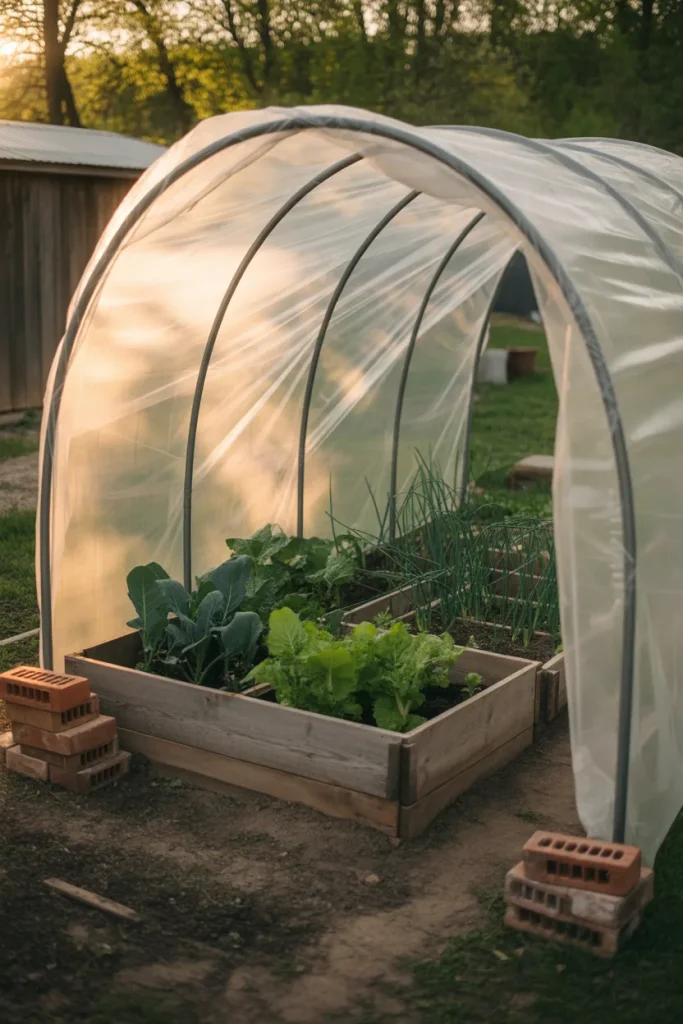
PVC pipe is cheap. It bends. It doesn’t rot. That makes it perfect for a greenhouse frame.
Go to any hardware store and buy ten feet of half‑inch PVC pipe. You’ll also need four pieces of rebar, about two feet each. The rebar costs maybe two dollars. The PVC pipe is another three or four dollars.
Push two pieces of rebar into the ground on one side of your garden bed. Put them about three feet apart. Do the same on the opposite side. Now slide each end of a PVC pipe over the rebar on both sides. The pipe will bend into a nice arch. Repeat with more pipes every two or three feet.
Cover the whole thing with clear plastic sheeting. You can buy a roll of six‑mil greenhouse plastic for fifteen dollars. Or use a clear painter’s drop cloth for even less. Weigh down the edges with rocks, bricks, or boards.
You just built a greenhouse for under thirty dollars. It works great for raised beds.
Idea 2 – Old Window Cold Frame
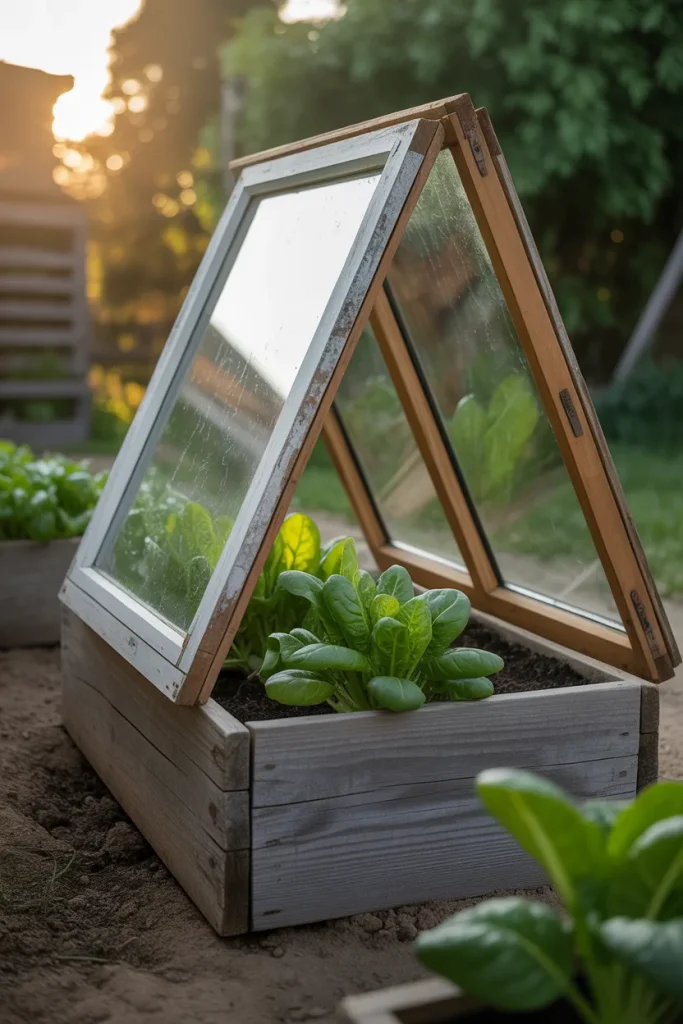
People throw away old windows all the time. Check Craigslist, Facebook Marketplace, or your local dump. Often you can get them for free.
A cold frame is like a mini greenhouse that sits low to the ground. It traps heat from the sun to warm the soil inside.
Find an old wooden window frame with glass still in it. Now build a simple box out of scrap wood. The back of the box should be taller than the front. That way the window tilts toward the sun. Attach the window with hinges so you can open it on warm days.
Place this cold frame over your garden soil in early spring. Start cool‑weather crops like spinach, kale, and lettuce inside. They’ll grow weeks earlier than usual.
Total cost? Zero if you already have wood and hinges. Maybe ten dollars for screws and hinges.
Idea 3 – Milk Jug Mini Greenhouse
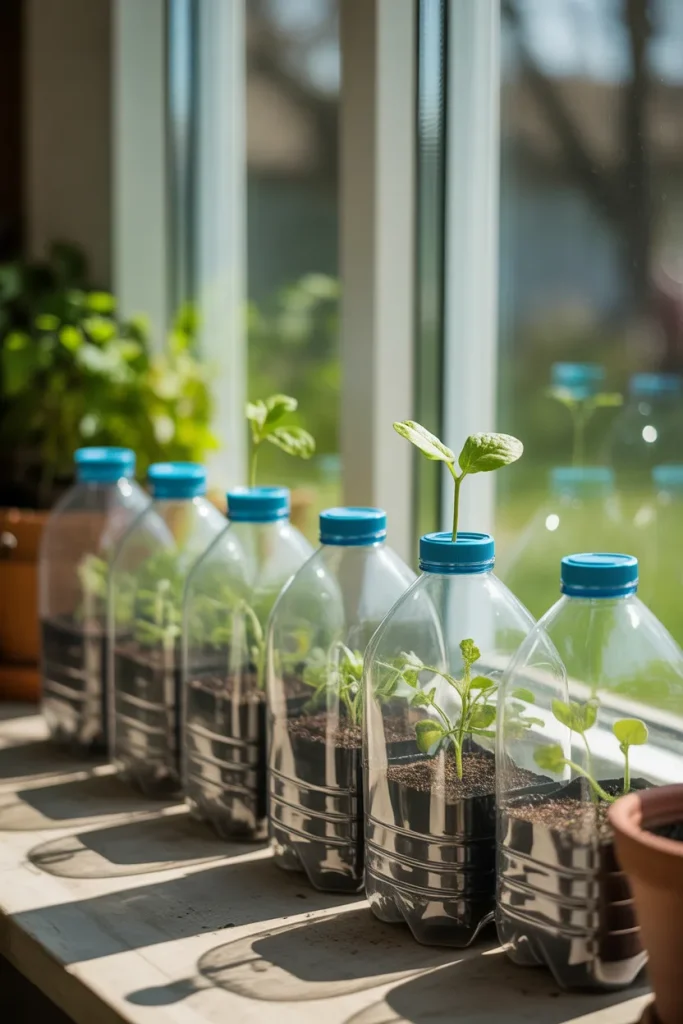
This one is almost free. And it’s perfect for starting a few seeds on a windowsill or patio.
Save your empty gallon milk jugs. Rinse them out. Cut them almost in half around the middle, but leave a one‑inch hinge on one side. That way the top flips open like a lid.
Poke a few small holes in the bottom for drainage. Fill the bottom half with potting soil. Plant your seeds. Water them gently. Close the top and seal the cut edge with tape.
The clear plastic lets sunlight in and traps moisture. You won’t need to water again for weeks. When the seedlings get big enough, cut the jug open and transplant them outside.
Each jug gives you one mini greenhouse. Make five or six of them for free.
Idea 4 – CD Case Seed Starter
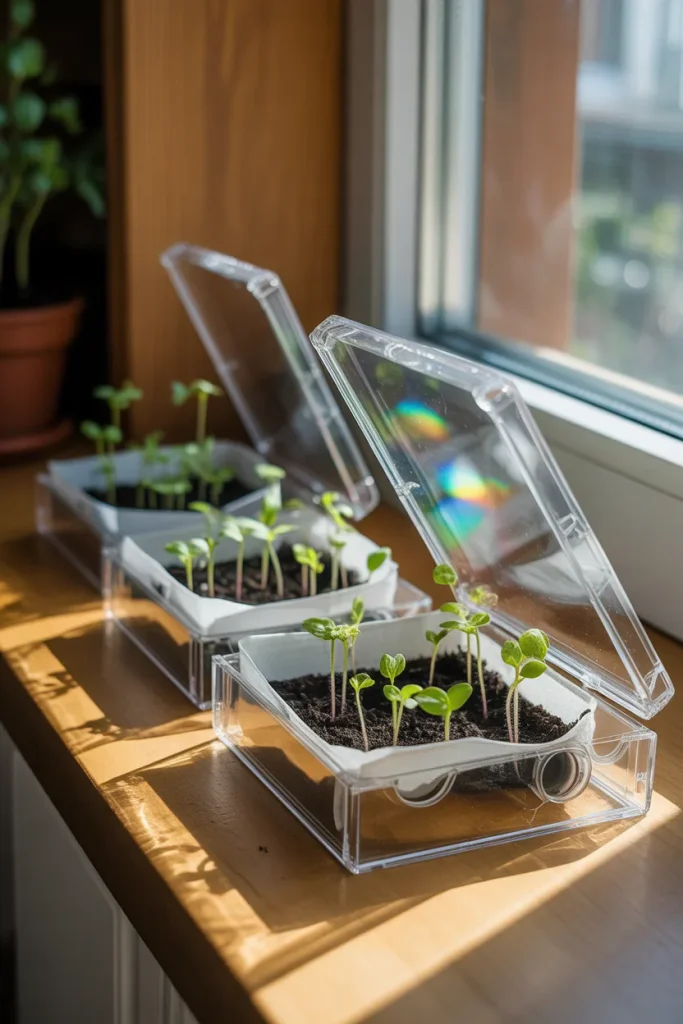
This sounds weird, but hear me out. Old clear CD cases work like tiny greenhouses for individual seeds.
Find empty jewel cases from old music CDs or software. Clean them well. Put a damp paper towel inside the bottom half. Place a few seeds on the towel. Close the case and put it in a sunny window.
The case holds humidity perfectly. You’ll see seeds sprout in just a few days. Once they have tiny leaves, move them to a small pot of soil.
This idea is great for kids or for testing old seeds to see if they’re still alive. Cost? Free if you have old CDs lying around.
Idea 5 – Tomato Cage Plastic Wrap Greenhouse

Tomato cages are cheap. You can get a pack of three for ten dollars at any garden center. But they can do more than hold up tomatoes.
Take a tomato cage and turn it upside down. Push the wide end into the ground. Now wrap clear plastic wrap around and around the whole cage. Leave a small gap near the bottom for air.
You’ve just made a tiny greenhouse that fits over one plant. Use it to protect a pepper plant from a late frost. Or cover a young cucumber start so bugs can’t get to it.
When the weather warms up, just unwrap the plastic and use the cage normally. No waste.
Idea 6 – Hoop House With Garden Hose
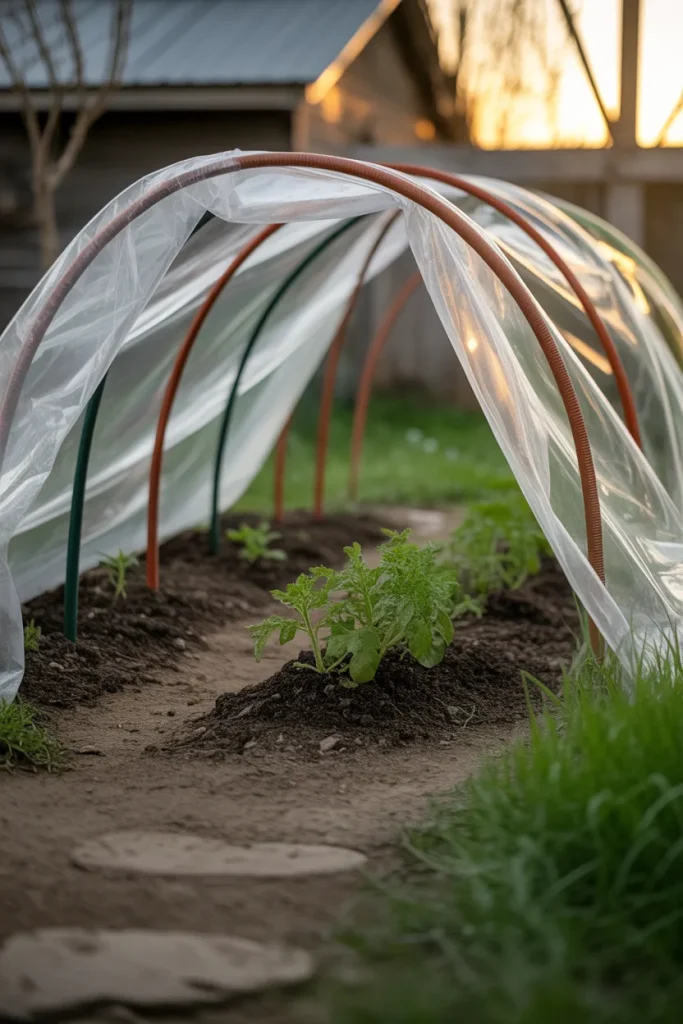
Don’t have PVC pipe? Use an old garden hose instead.
Find a hose that leaks or that you no longer use. Cut it into four‑foot sections. Push both ends of one section into the ground to form an arch. Do the same with more sections every two feet.
The hose bends easily and holds its shape. Cover the arches with clear plastic or even an old clear shower curtain liner. Weigh down the edges.
This greenhouse costs nothing if you already have a broken hose. It’s not as stiff as PVC, but it works fine for lightweight plastic.
Idea 7 – Pallet And Plastic Sheet Greenhouse

Wood pallets are everywhere. Grocery stores, warehouses, and factories often give them away for free. Look for pallets that aren’t broken or moldy.
Stand two pallets on their sides to form two walls. Lean two more pallets together to form a roof that meets at the top. You’ll have a sort of A‑frame shape. Secure the pallets with zip ties or rope.
Now wrap clear plastic sheeting over the whole structure. Staple or tape the plastic to the wood. Leave one end open like a door. You can hang a plastic flap over the door.
This greenhouse is big enough to walk into. It can hold dozens of plants. Total cost is just the plastic sheeting, maybe fifteen dollars.
Idea 8 – Plastic Storage Bin Greenhouse
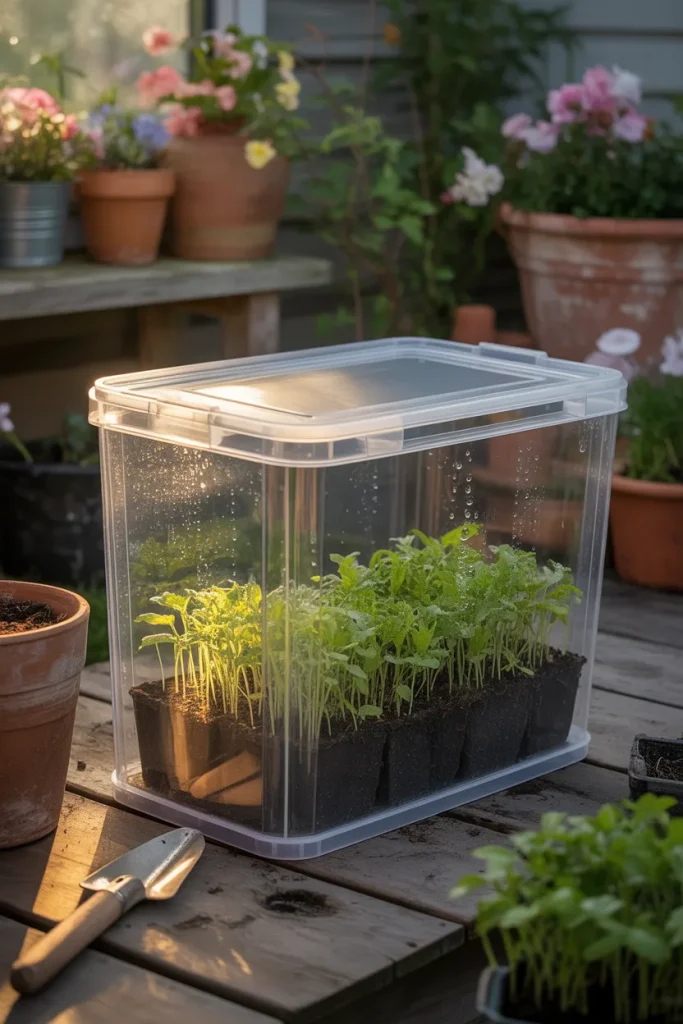
Those big clear storage bins cost about eight dollars at any discount store. They make perfect mini greenhouses.
Take a clear bin with a lid. Drill four small holes in the bottom for drainage. Fill the bin halfway with potting soil. Plant your seeds. Put the lid on.
The clear lid lets light in. The closed bin holds heat and moisture. Place it outside on a sunny day, even when the air is still cold. The inside temperature can get twenty degrees warmer than outside.
When your plants outgrow the bin, pop them out and move them to the garden. This is one of the easiest greenhouses for beginners.
Idea 9 – Shower Curtain Hoop House
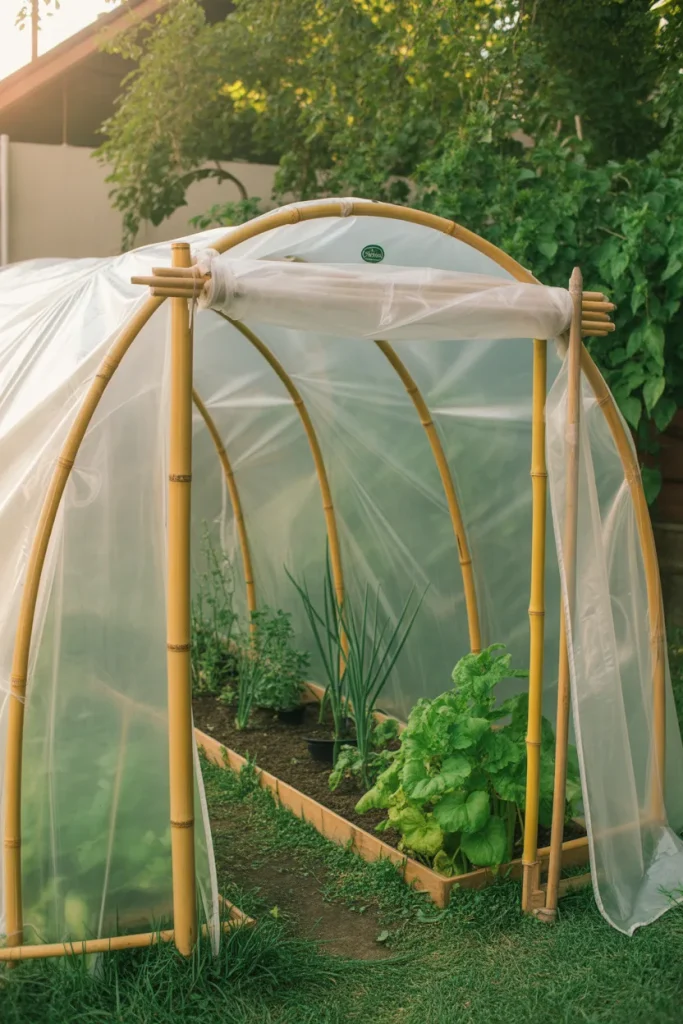
A clear plastic shower curtain liner costs three dollars. It’s the same material as expensive greenhouse plastic, just thinner.
Build a simple frame from bamboo stakes or thin wood strips. Pound the stakes into the ground in two rows, three feet apart. Bend a long pole or PVC pipe over the top to connect both rows. Tie it to the stakes.
Drape the shower curtain over the frame. Use clothespins or binder clips to attach it to the stakes. Leave one side loose so you can lift it to water your plants.
This greenhouse is light and portable. When the season ends, take it down and store it flat.
Idea 10 – Wire Shelf And Plastic Cover
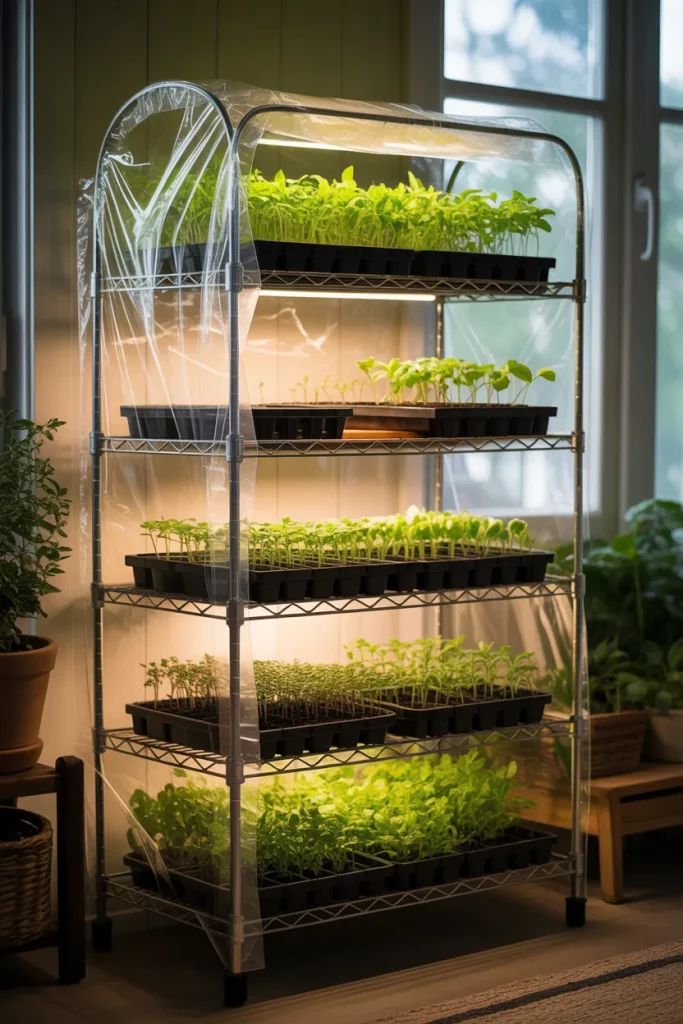
Have an old wire shelf unit in your basement? The kind people use for storage? Turn it into a greenhouse.
Wrap the whole shelf unit in clear plastic. Tape the plastic tightly around the back and sides. Leave the front open but attach a plastic flap that you can lift.
Place the unit near a south‑facing window or outside on a porch. Each shelf becomes a growing level. You can fit four times as many plants as a flat greenhouse.
Add a small seed‑starting heat mat on the bottom shelf, and you have a professional‑looking setup for almost nothing.
Idea 11 – Bowed Rebar And PVC Sleeve
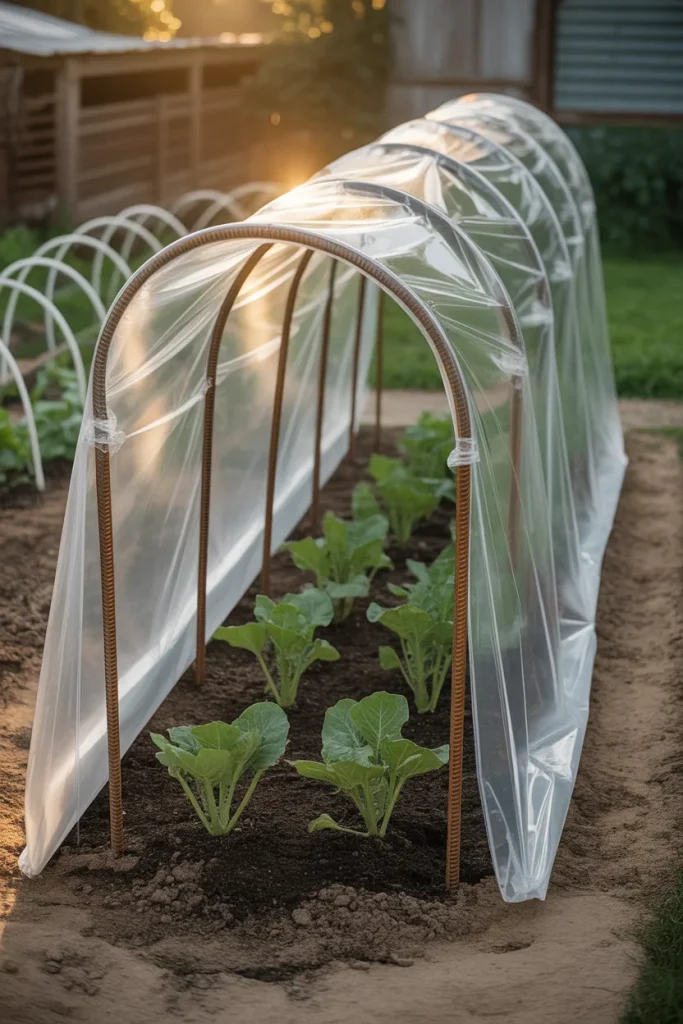
Rebar is cheap. A four‑foot piece costs about two dollars. But rebar alone doesn’t bend easily into arches. Here’s the trick.
Buy several pieces of rebar. Push them into the ground in two straight rows, leaving two feet of rebar above ground. Now buy a long piece of PVC pipe that’s slightly wider than the rebar. Slide the PVC pipe over the rebar on one side, then bend it over to the rebar on the opposite side. The PVC acts like a sleeve that bends smoothly.
You get a strong, permanent hoop frame that won’t snap. Cover with plastic. This method costs a little more—maybe forty dollars for a six‑foot greenhouse—but it lasts for years.
Idea 12 – Old Door Glass Greenhouse

People throw out old glass doors too. Sliding glass door panels, French doors, even shower doors. The glass is already framed, which saves you a ton of work.
Collect four matching glass doors. Lean them together to form a box shape with a peaked roof. Use metal brackets or heavy‑duty zip ties to hold the corners together.
The roof can be two doors leaned together, or you can use a sheet of clear corrugated plastic on top. Leave one door as a hinged entrance.
This greenhouse looks beautiful. It’s heavy and sturdy. And if you find the doors for free, your only cost is brackets and plastic for the roof.
Idea 13 – Bubble Wrap Insulated Greenhouse

Bubble wrap isn’t just for shipping. It traps heat better than plain plastic. That’s why serious greenhouse growers use it.
Build a simple wooden frame. It can be as small as a picture frame or as large as a dog house. Staple clear plastic sheeting over the outside to keep wind out. Then line the inside with large‑bubble bubble wrap, bubbles facing inward.
The double layer of insulation keeps the inside warm even when the outside temperature drops near freezing. You can start warm‑weather plants like tomatoes and cucumbers much earlier.
Bubble wrap is cheap. A big roll costs ten dollars at a moving supply store. And you can reuse it for years.
Idea 14 – Cattle Panel Hoop House
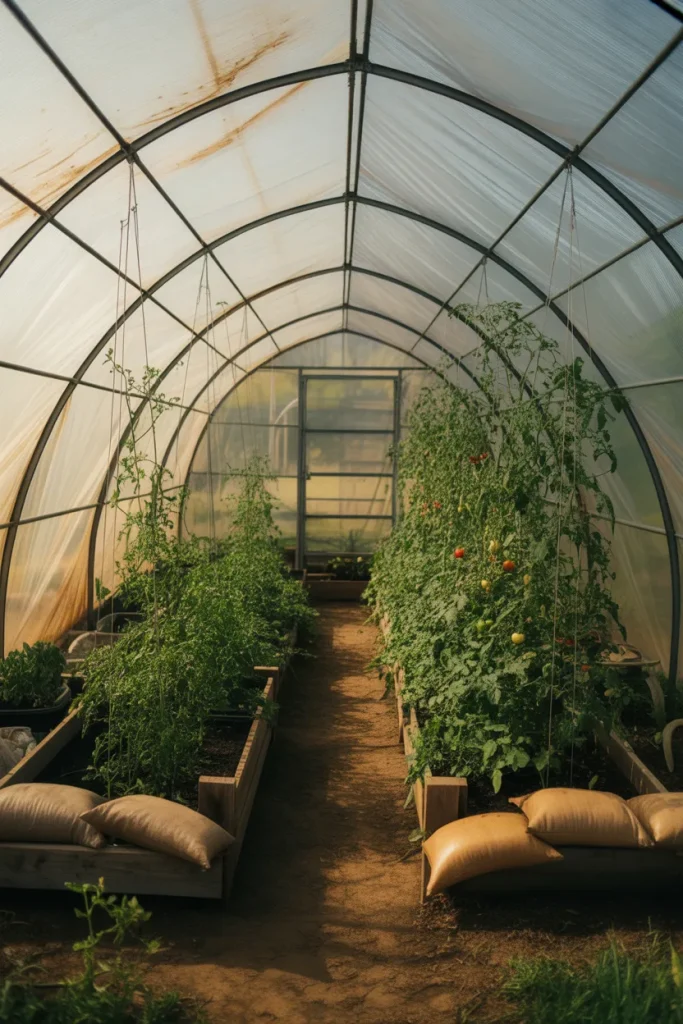
Cattle panels are metal fencing panels sold at farm supply stores. A sixteen‑foot panel costs about twenty five dollars. That’s more than other items on this list, but one panel makes a huge greenhouse.
Bend the cattle panel into an arch. Push the ends into the ground or attach them to a wooden base. The panel is so strong that it holds its shape without any other frame.
Cover the arch with greenhouse plastic. Use sandbags or boards to hold the plastic down. The result is a walk‑in greenhouse that’s eight feet wide and six feet tall. You can grow full‑size tomato plants inside.
This is my favorite cheap greenhouse for serious gardeners. It costs less than a trip to the movies for a family of four, and it lasts for ten years.
Idea 15 – Tarp And Rope Lean‑To
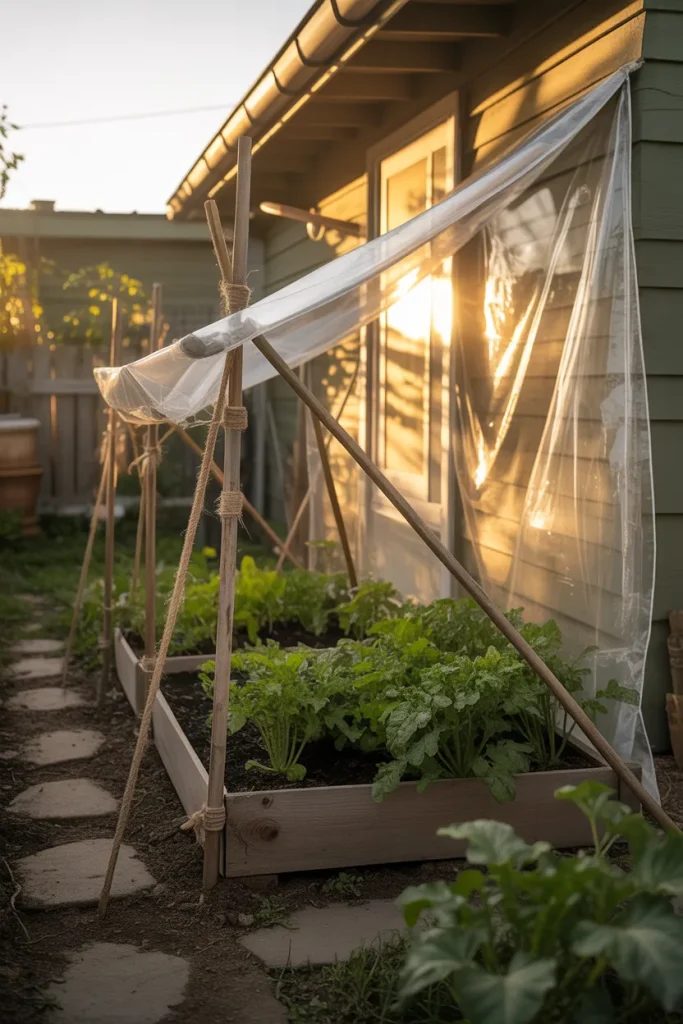
Sometimes the cheapest greenhouse is the one that uses what you already have. If you have a south‑facing wall on your house, garage, or shed, you have half a greenhouse already built.
Stake a few poles into the ground a few feet away from the wall. Run ropes from the top of the wall down to the poles. Drape a clear or white tarp over the ropes. Weigh down the edges.
The wall reflects heat and blocks cold wind. The tarp traps that heat around your plants. This lean‑to design costs nothing if you already have a tarp and rope. It’s not fancy, but it works.
Conclusion – Pick One Idea and Start Today
You don’t need to be a carpenter. You don’t need a big wallet. You just need to pick one idea from this list and take the first step.
Maybe you start with a milk jug on your windowsill. Maybe you build a hoop house over your raised bed. Maybe you hunt for old windows this weekend. Any of these fifteen cheap DIY greenhouses will help you grow more food, save money on groceries, and enjoy gardening longer each year.
The best greenhouse isn’t the most expensive one. It’s the one you actually build.
So grab some PVC pipe or an old shower curtain or a storage bin. Get your hands dirty. And watch your seeds turn into strong, healthy plants while the snow flies outside.
You’ve got this. Now go build something.
