15 Pass-Through Living Room Layout Ideas
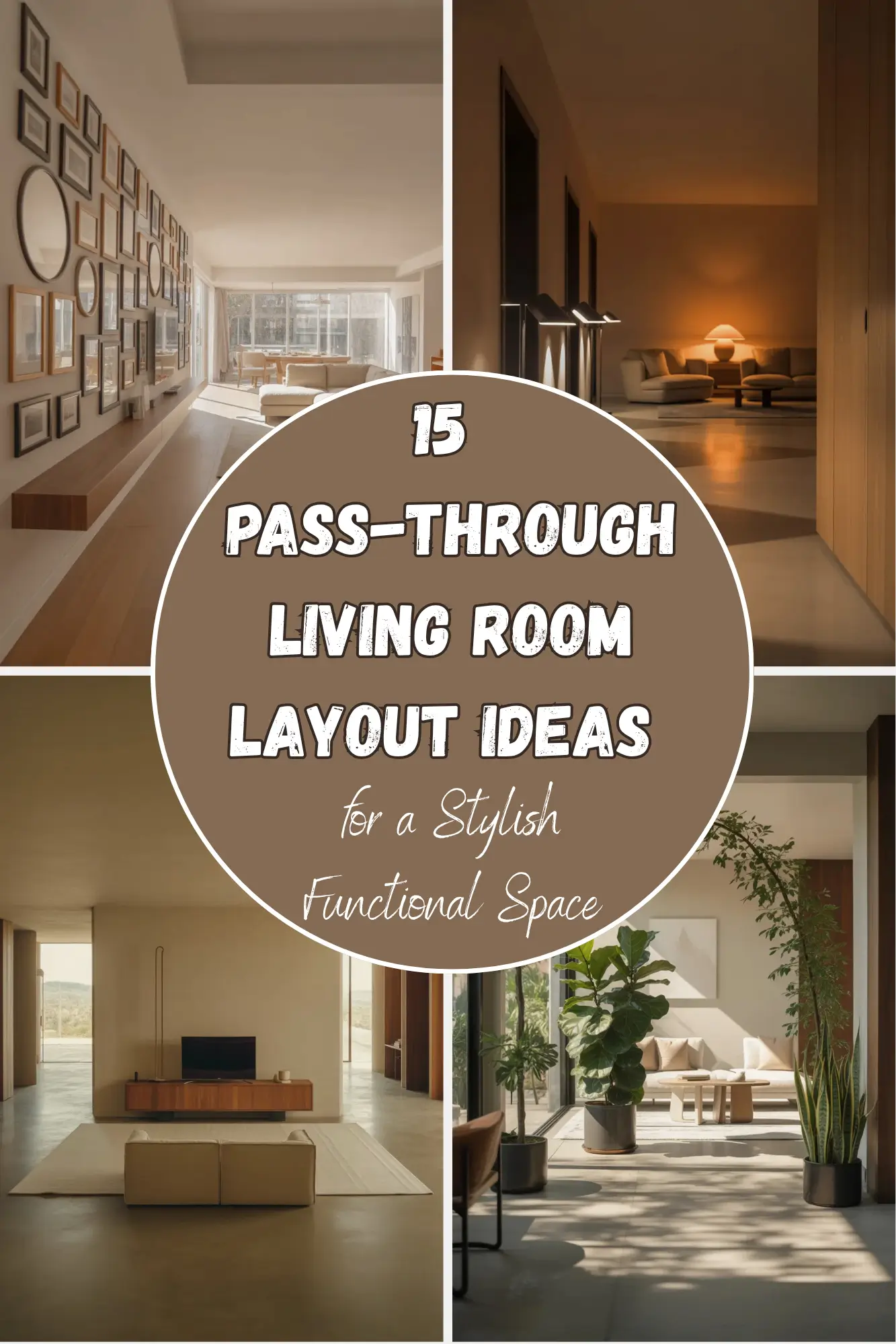
You walk into your living room. But you cannot stay. Because three different doorways keep pulling you toward the kitchen, the hallway, and the front door. Sound familiar? That is a pass-through living room. And it feels less like a room and more like a busy train station. But here is the good news. You can fix that without knocking down a single wall.
A pass-through living room is any living area that has doorways or open arches on two or more sides. People have to walk through it to get somewhere else. Think of a room with the front door on one end, a hallway on the other, and maybe a kitchen opening on the side. These rooms feel impossible to arrange. Couches block the path. Chairs feel like they are in the way. And you never truly relax because someone is always cutting through.
But a pass-through room can become your favorite spot. The trick is to stop fighting the traffic. Instead, you work with the flow. You place furniture so it guides people around the seating area, not through it. You use rugs, lights, and tall plants to build little rooms inside the big room. And you pick pieces that are easy to walk around.
Below are 15 layout ideas that turn a hallway living room into a cozy, useful space. Each idea is simple enough for a weekend project. No construction crew needed. Just some smart moves with the furniture you already have.
Idea 1 Float Your Sofa Away from All Walls
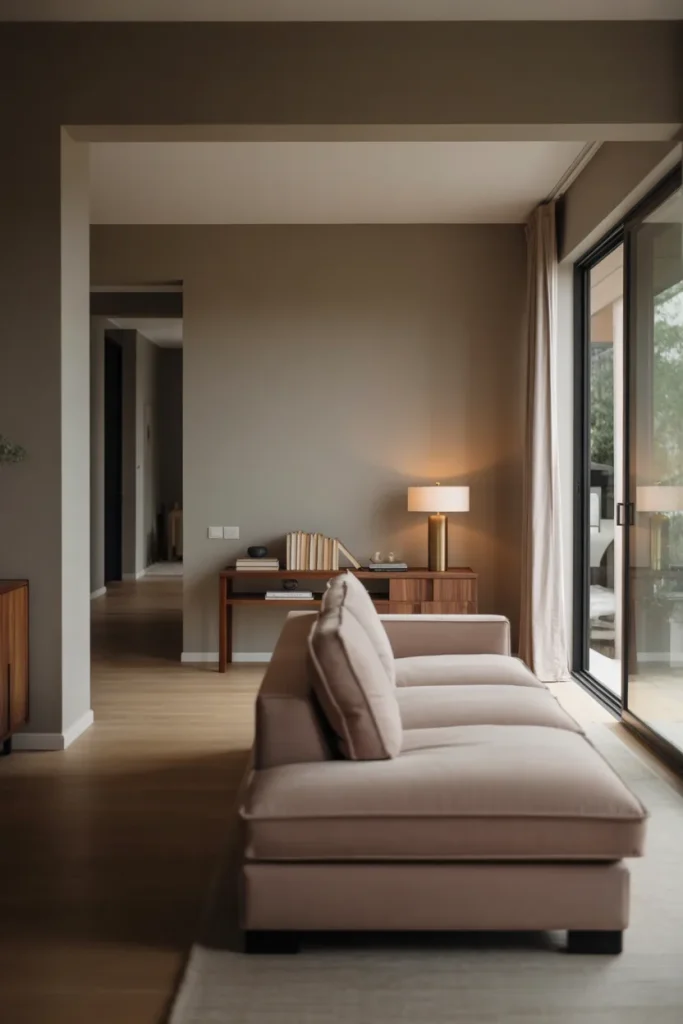
Most people push their sofa against a wall. That works in a closed room. But in a pass-through room, the walls have doorways. If you put the sofa against a wall with a door, you block the path. So do the opposite. Pull your sofa into the middle of the room. Face it toward the longest wall without a doorway. Now you have a clear walking lane behind the sofa. People can cross from one door to another without stepping in front of the TV. Place a long, skinny console table behind the sofa. That gives you a spot for a lamp and some books. Plus it stops kids and pets from falling off the back of the couch.
Idea 2 Use Two Small Sofas Back to Back
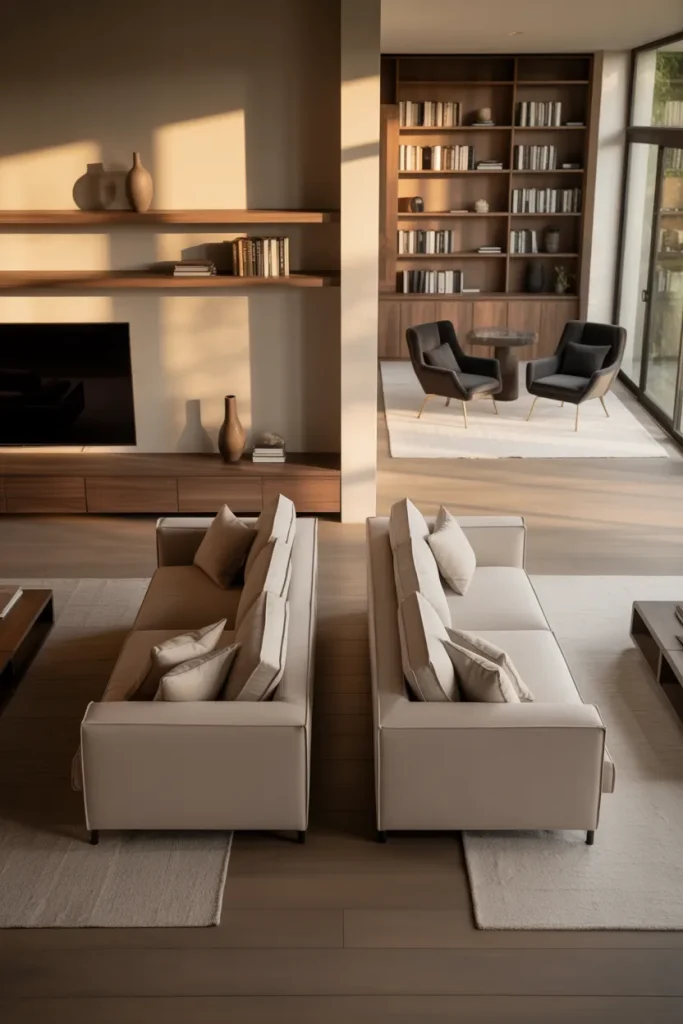
Two sofas back to back creates two separate zones. Put one sofa facing the TV wall. Put the second sofa facing the opposite direction, toward a set of chairs or a bookshelf. Now the walking path runs right between the two sofas. People move through the middle while each seating area feels private. This trick works wonders when you have doorways on two opposite walls. The back-to-back sofas act like a low wall that separates the traffic lane from your cozy spot. Make sure to leave at least three feet of space between the sofas. That is enough for one person to walk comfortably.
Idea 3 Place a Rug That Defines a Shape
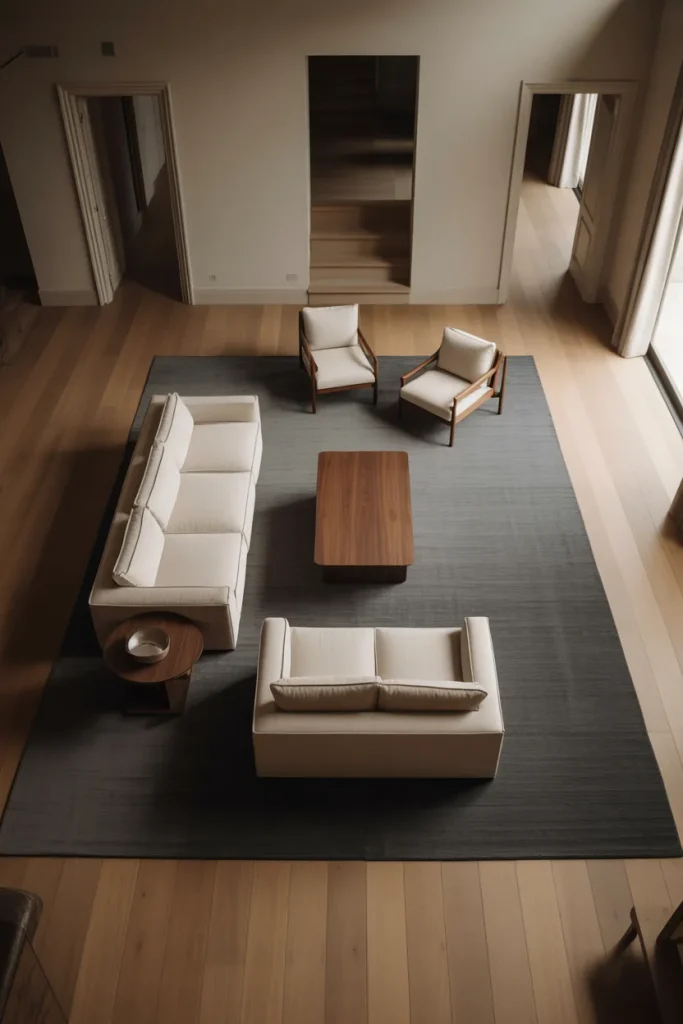
A rug is like a silent room divider. It tells your feet where the living room starts and ends. Pick a large rectangular rug. Place it so none of the doorways touch the rug. All four edges of the rug should sit away from the doors. Now put your main seating completely on the rug. The floor outside the rug becomes the walking path. People naturally step around the rug because it feels like a different zone. This is one of the cheapest fixes for a pass-through room. You can buy a big rug for under one hundred dollars. And you can move it in five minutes.
Idea 4 Build a Diagonal Seating Area
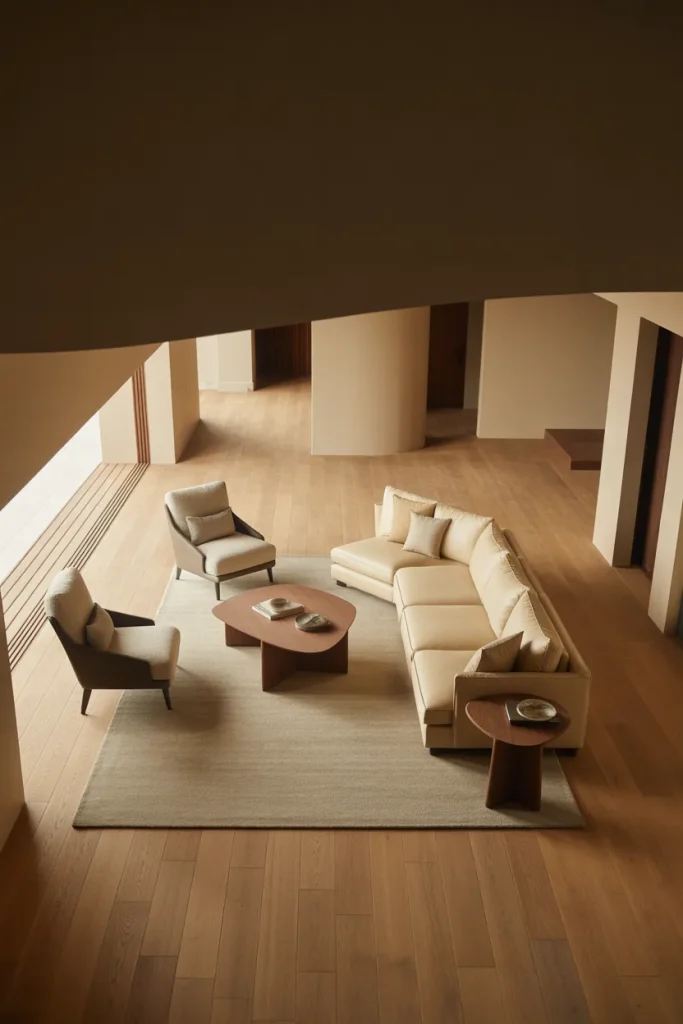
Most people arrange furniture parallel to the walls. But pass-through rooms often have doors on multiple walls. So try turning everything at a slight angle. Place your sofa diagonally in a corner. Angle your chairs the same way. Now the walking paths curve around the furniture instead of running straight through. A diagonal layout slows people down. They have to turn a little, which makes them more aware of your seating area. This works especially well when you have three or four doorways. The angles break up the straight lines that turn a room into a hallway.
Idea 5 Create a Path Behind the Longest Seating
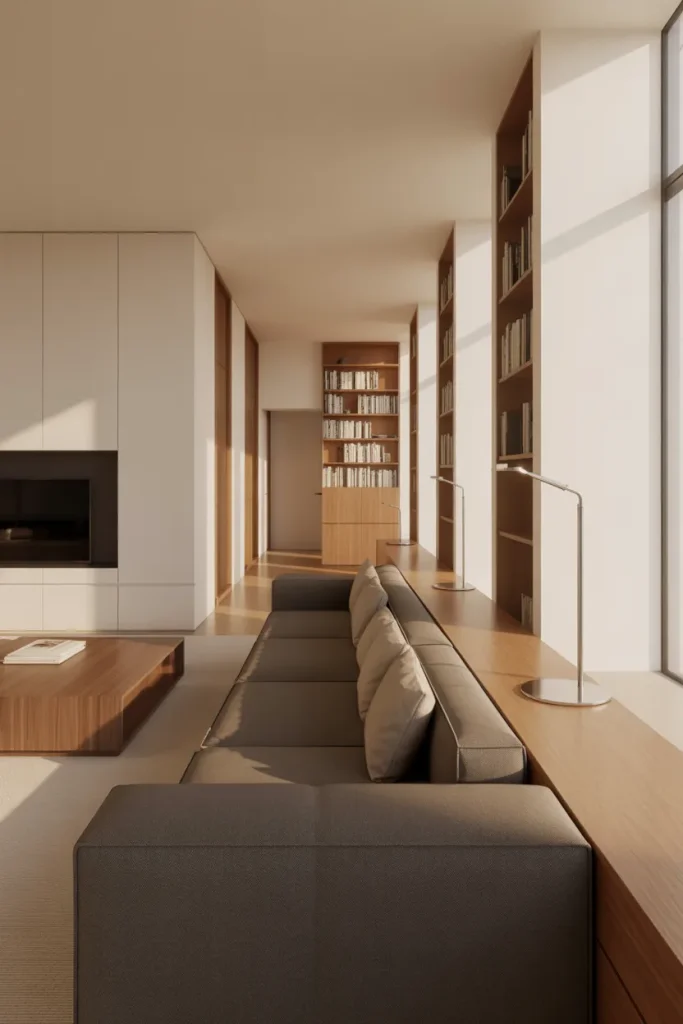
Look at your room and find the longest stretch of wall without a doorway. That is your anchor wall. Place a long sofa or a sectional against that wall. Then leave a three-foot gap between the front of the sofa and the coffee table. That gap is not the walking path. The real walking path goes behind the sofa, between the sofa back and the opposite wall. So push the sofa far enough forward that you can walk behind it. Put a tall bookshelf or a row of floor lamps on the opposite wall to keep people from cutting too close. Now the traffic flows behind your seating, not in front of your TV.
Idea 6 Use a Pair of Chairs as a Traffic Guide
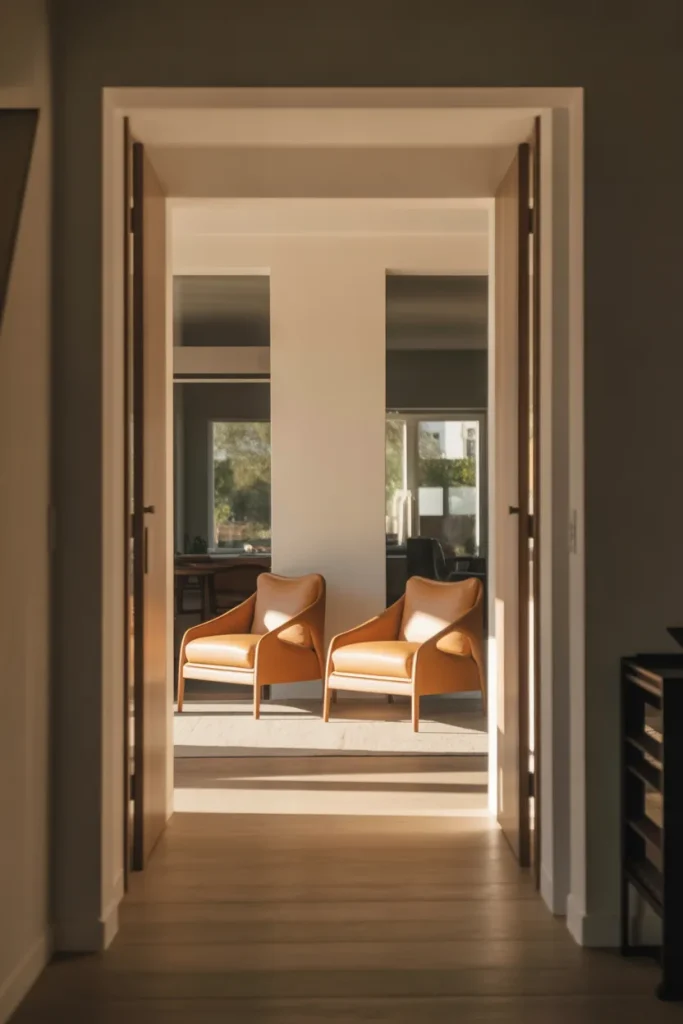
Two armchairs placed side by side can steer people like a fence. Put the chairs near one doorway, facing slightly away from the main path. Leave a gap of about two feet between the chairs and the wall. People will naturally walk through that gap because it looks like an opening. Meanwhile, the chairs create a small waiting area near the door. This is great for putting on shoes or greeting guests. The key is to not put anything else near that gap. No end tables. No floor lamps. Just open floor so people can pass without squeezing.
Idea 7 Turn a Long Console Table into a Hallway Wall
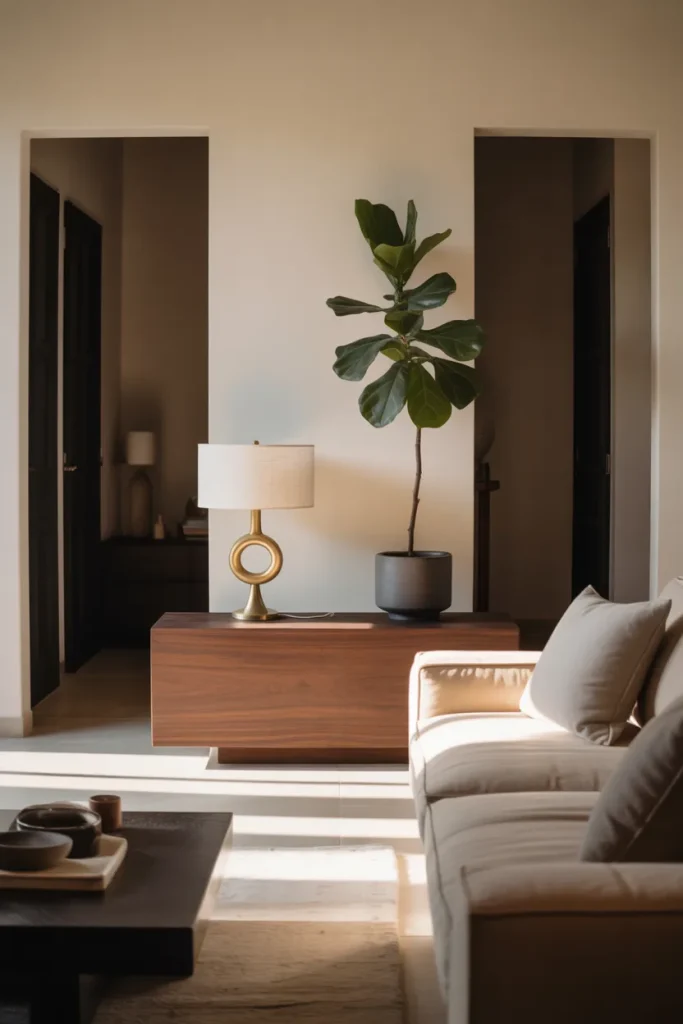
A pass-through room feels like a hallway because your eyes can see all the way from one door to another. You need to break that line of sight. A tall console table with a big lamp or a large plant on top does the job. Place the table right in the middle of the room, but not touching any wall. Put it so it blocks the direct view from the front door to the back door. Now people have to walk around the table. That small detour changes the whole feeling of the room. They are no longer marching straight through. They are moving around an obstacle, which feels more like walking through a living room.
Idea 8 Make a Mini Room with a Room Divider
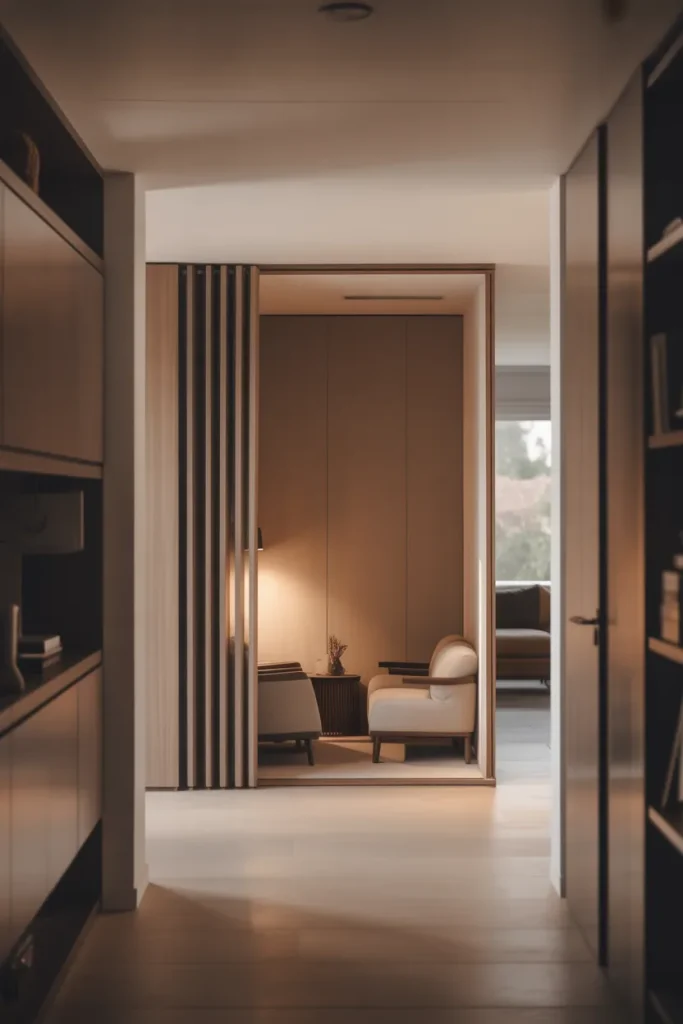
You can buy a folding room divider for less than fifty dollars. Or you can use a tall bookcase without a back. Place the divider so it sticks out from one wall, like a little wing. This creates a small nook on one side of the divider. Put your two best chairs and a small side table in that nook. The rest of the room stays open for traffic. But now you have a secret little hideaway inside your pass-through room. The divider does not block the whole room. It just blocks one corner. People can still walk through the wide part, but they will not step into your nook because it feels hidden.
Idea 9 Put All Seating on One Side of the Room
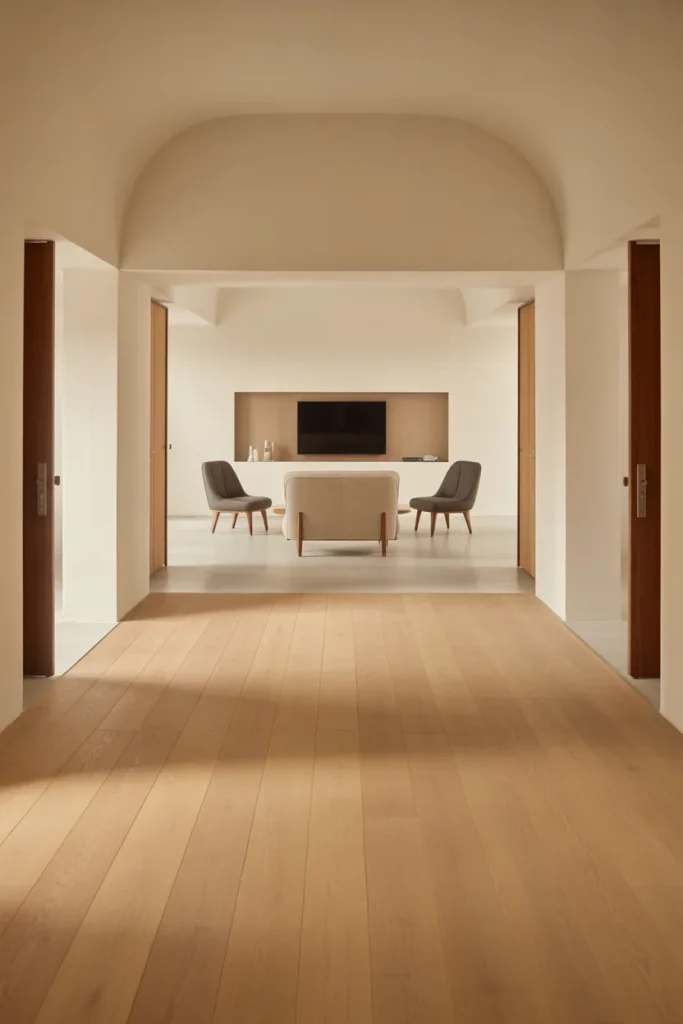
This idea sounds too simple. But it works. Look at your pass-through room and find the side with the fewest doors. Push every single piece of furniture to that side. The sofa, the chairs, the coffee table, even the TV if you can. Leave the other side of the room completely empty. That empty side becomes the walking lane. Now your seating area is out of the way. No one has to step over an ottoman to cross the room. The downside is that your seating area might feel cramped. But you can fix that by choosing smaller furniture. A loveseat instead of a full sofa. Two small chairs instead of big recliners.
Idea 10 Use a Round Coffee Table as a Spinner
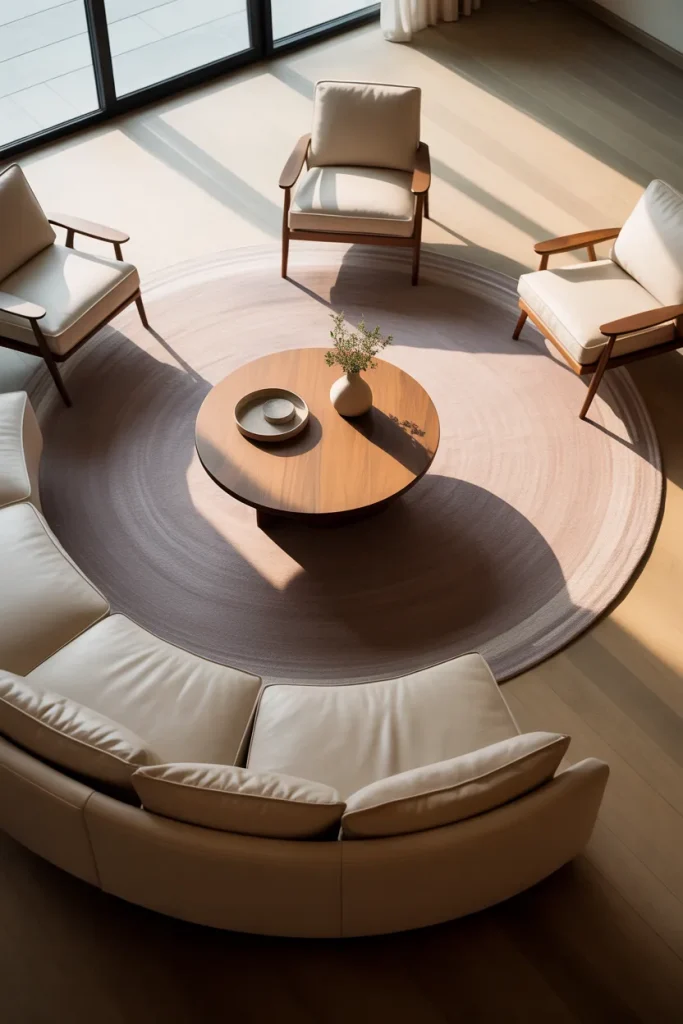
A round coffee table has no corners. That makes it easy to walk around. Place a round table in the center of your seating area. Then arrange chairs and a small sofa in a loose circle around the table. Leave gaps between the chairs. Those gaps become mini paths. People can walk from any doorway to any other doorway by weaving between the chairs. But because the circle is round and open, they never feel like they are crashing your party. Round shapes feel friendlier than squares. They also slow down fast walkers because you have to curve a little.
Idea 11 Turn the Back of a Sectional into a Bench
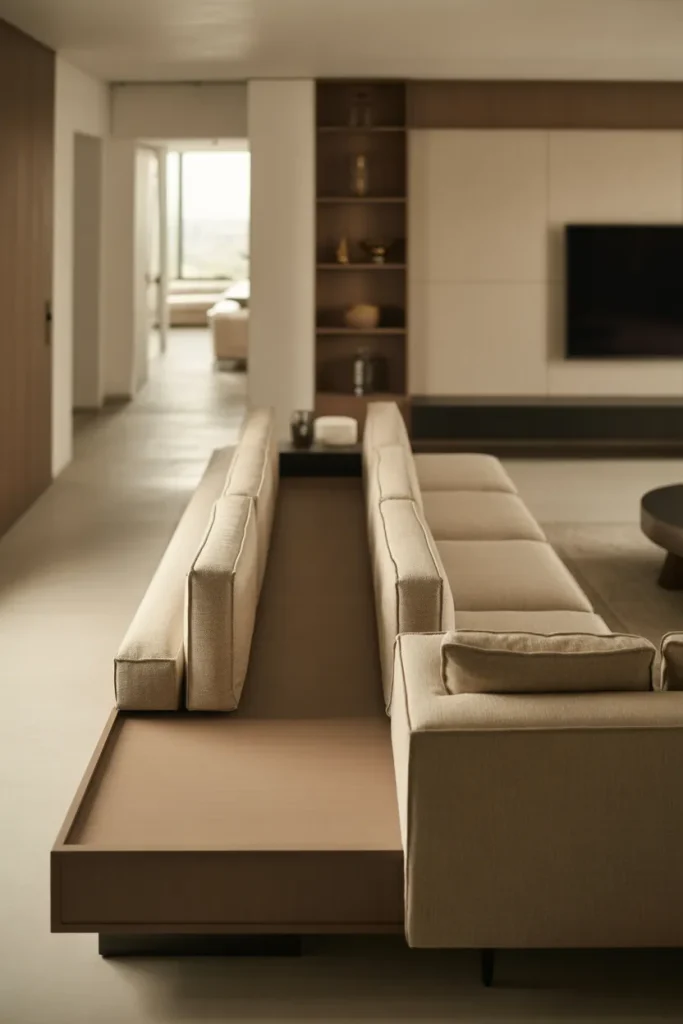
A big L-shaped sectional can save a pass-through room. Place the sectional so the long side faces the TV. The short side, which is the chaise part, should stick out into the room. Now the back of the short side becomes a bench facing the walking path. That bench is extra seating for people who are just passing through. They can sit for a second to tie a shoe or check a phone. Meanwhile, the main part of the sectional stays protected from traffic. The key is to leave at least two feet of space between the back of the sectional and the nearest doorway. Do not block any door.
Idea 12 Add a Tall Plant as a Soft Block
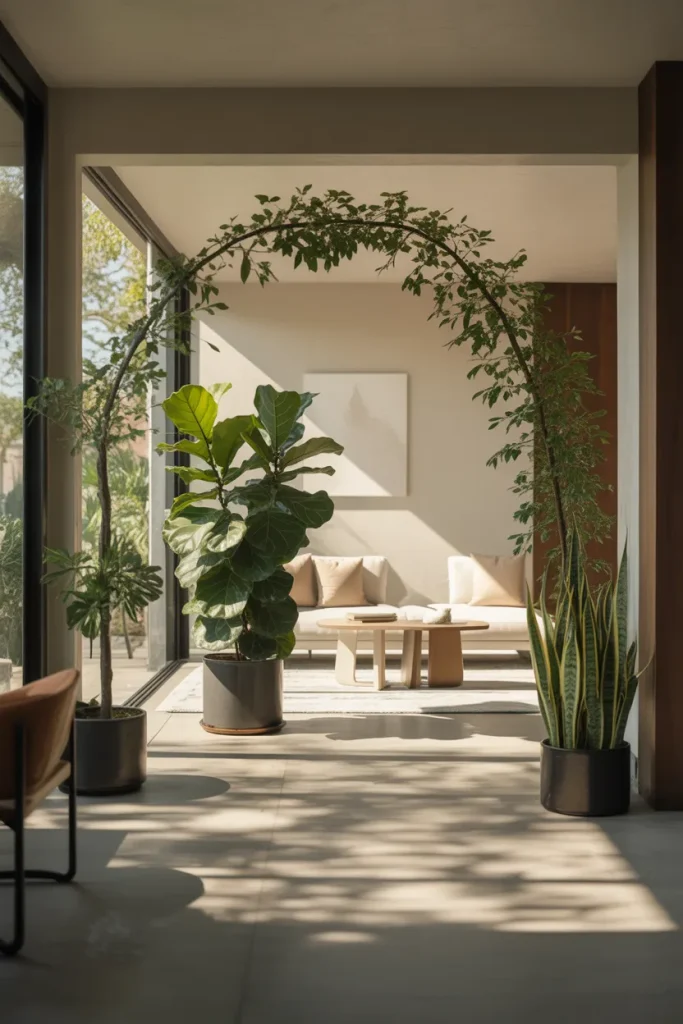
A large potted plant does not stop traffic. But it does slow it down. Place one tall plant near the center of the room, right in the natural walking line. Now people have to take a small step around the plant. That one small detour changes their path just enough that they miss your seating area completely. You can use two plants to create a curved path. Put one plant near the front door side and another plant near the back door side. The plants should not touch. Leave a wide gap between them. People will walk between the plants, which keeps them away from your sofa. Fiddle leaf figs and snake plants work great. Both are hard to kill.
Idea 13 Float the TV in the Middle of the Room
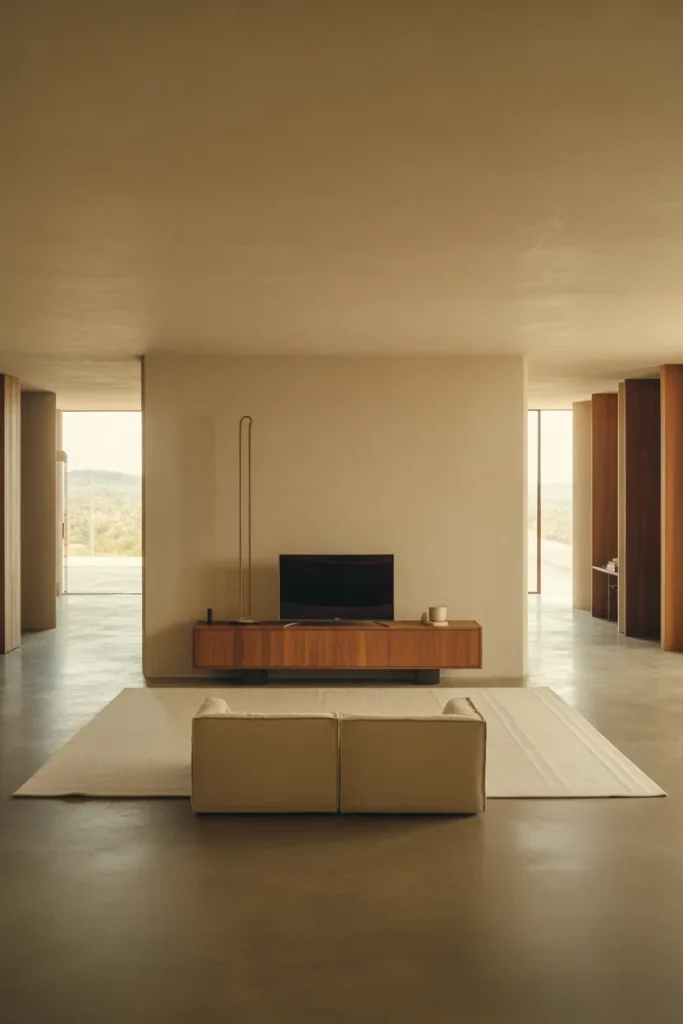
Most people put the TV against a wall. But in a pass-through room, every wall has a door. So stop using walls. Mount your TV on a floor stand or put it on a low media console that sits in the middle of the room. Face the TV toward your sofa, which is also floating. Now the TV and the sofa create a little island. People walk around the outside of this island. They do not walk between the TV and the sofa because that space feels like the front row of a movie theater. Use a thin media console so it does not take up too much floor space. The goal is to keep the island small enough that there is still plenty of walking room on all sides.
Idea 14 Use Floor Lamps to Mark the Walking Lane
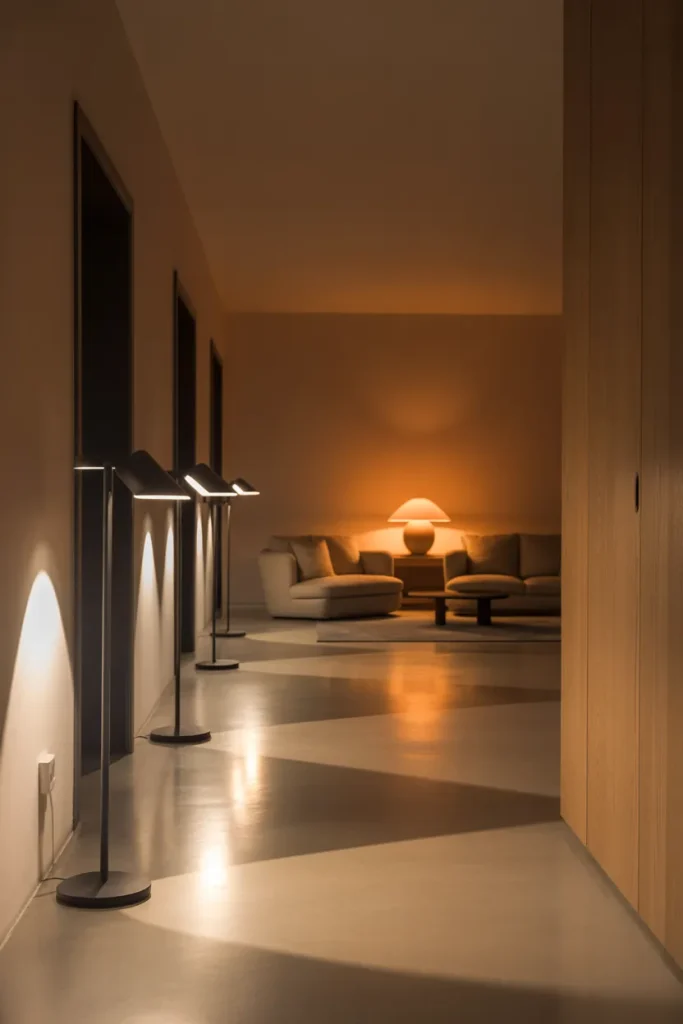
Light tells you where to go. Bright light says walk here. Soft light says sit here. So put bright floor lamps along the path you want people to take. Use lamps with shades that point down or toward the floor. That keeps the light focused on the walking lane. Then put soft table lamps with warm bulbs near your seating area. Now your eyes naturally follow the bright light to the path. The soft light invites you to sit. This trick works even better at night. When the sun goes down, the walking lane becomes a clear bright path. Your seating area becomes a cozy dim zone. People will not cut through the dim zone because it looks like a private space.
Idea 15 Turn a Hallway Wall into a Gallery
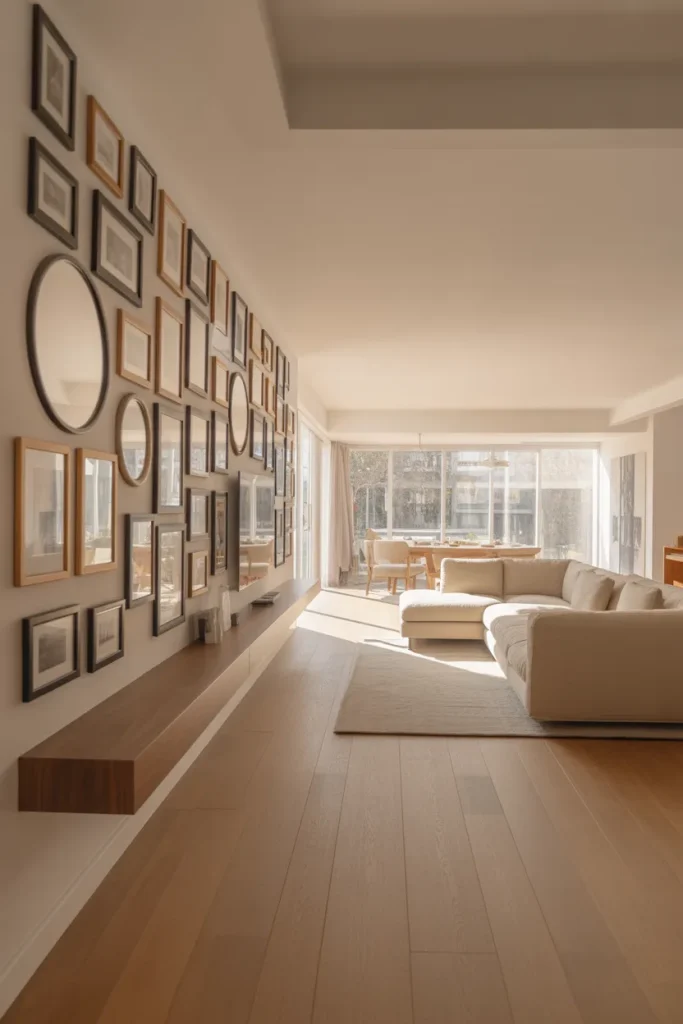
This last idea is about decorating, not furniture. But it changes how people use the room. Find the longest wall that has no doors. Cover that wall with art, photos, or mirrors. Use many small pieces instead of one big piece. Now that wall becomes a destination. People stop to look at the pictures. When they stop, they step out of the walking lane. They stand near the wall, not in the middle of the room. This natural pause slows down the whole traffic flow. Guests will walk, stop, look, then walk again. That stop-and-start rhythm makes the room feel like a living room, not a hallway. Add a narrow shelf or a small bench under the art so people have a place to stand comfortably.
Conclusion
A pass-through living room does not have to feel like a mistake. You do not need to add walls or move doors. All you need is a smart layout that works with the traffic instead of fighting it. Float your sofa. Add a rug. Use plants and lamps to guide people. Break the line of sight with a console table or a room divider. And remember that small changes make a big difference. Just moving your couch two feet away from the wall can turn a busy hallway into a calm hangout spot.
Pick one idea from this list and try it this weekend. If it does not work, try another one. The beauty of furniture is that nothing is permanent. You can push, pull, turn, and swap until the room feels right. Your living room should be a place to rest, not a place to rush through. With these fifteen layouts, you can finally sit back and watch someone else walk right around you. Not through you.